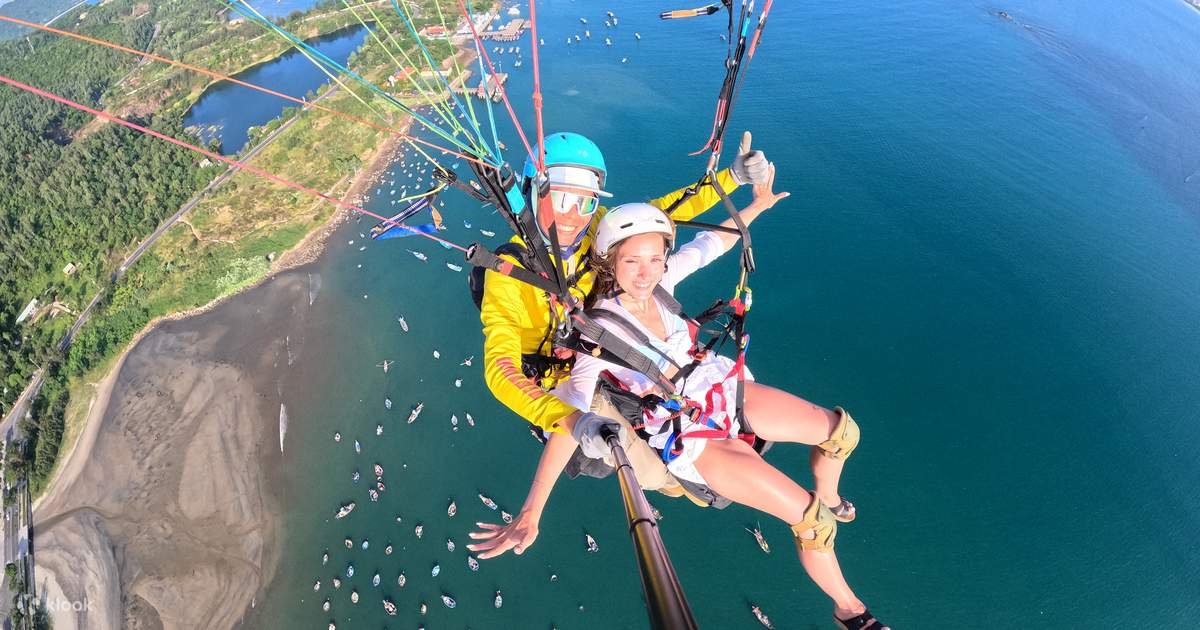

Picture this: You’re standing on a grassy ridge at sunrise, the wind whispering promises of flight. One option has you strapped into a rigid, bird-like wing that feels like an extension of your body as you run off the edge. The other lets you unfold a colorful fabric sail from your backpack, clip in, and jog into the sky like a modern-day Icarus who actually lands safely. Both hang gliding and paragliding deliver that pure, engine-free rush of soaring on nature’s breath, yet they deliver it in completely different ways.
If you’ve ever Googled “hang gliding vs paragliding” while dreaming of your first flight, you’re not alone. These two free-flight sports attract adventurers worldwide, but choosing between them can feel like picking between a sports car and a reliable SUV. One screams speed and precision; the other whispers freedom and accessibility. This side-by-side comparison breaks down every key difference—equipment, launch, flight feel, learning curve, safety, costs, and more—so you can decide which one matches your thrill tolerance, budget, and lifestyle. No hype, just real talk from pilots, instructors, and data.
The Origins: How These Sports Took Flight
Hang gliding traces its roots back over a century, with pioneers like Otto Lilienthal making controlled glides in the 1890s using early rigid-wing designs. The modern sport exploded in the 1960s thanks to NASA engineer Francis Rogallo’s flexible delta wing, turning backyard experiments into a global phenomenon by the 1970s. Paragliding, by contrast, is the younger sibling—born in the late 1970s and early 1980s when mountain climbers adapted parachute tech for foot-launched soaring. It gained traction in Europe before spreading worldwide in the 1990s.
Both evolved from a shared dream of unpowered human flight, yet their paths diverged based on materials and pilot positioning. Hang gliding stayed true to rigid structures for stability, while paragliding embraced lightweight fabric for portability. Today, the United States Hang Gliding and Paragliding Association (USHPA) oversees both, with thousands of active pilots proving these sports remain as exciting as ever.
Equipment Breakdown: Rigid Frame vs. Inflatable Wing
The most obvious difference hits you the moment you see the gear. Hang gliders feature a sturdy aluminum or carbon-fiber frame with a taut synthetic sail stretched over it, forming that iconic triangular “delta” shape. The pilot hangs prone (face-down) in a harness below the wing, shifting weight against a control bar. A full setup weighs 45–90 pounds and requires a vehicle rack for transport.
Paragliders, on the other hand, use a ram-air fabric wing made of ripstop nylon or polyester cells that inflate with airflow—no rigid frame at all. You sit upright in a comfortable harness connected by dozens of thin lines. The entire kit packs into a backpack weighing just 15–30 pounds, making it ideal for hike-and-fly adventures.
In short, hang gliding gear feels like a high-performance aircraft; paragliding gear feels like adventure-ready camping equipment you can carry up any trail.
Side-by-Side Comparison Table
| Aspect | Hang Gliding | Paragliding |
|---|---|---|
| Wing Type | Rigid frame + sailcloth | Flexible fabric cells (inflates in air) |
| Pilot Position | Prone (Superman-style) | Seated (chair-like harness) |
| Weight | 45–90 lbs | 15–30 lbs |
| Packability | Needs roof rack/trailer | Fits in large backpack |
| Typical Speed | 30–60 mph (up to 100+ mph) | 12–35 mph (up to 46 mph accelerated) |
| Glide Ratio | 15:1 to 20:1+ | 8:1 to 11:1 |
| Launch Run | Longer, faster run needed | Short, gentle jog |
| Landing | Faster touchdown, larger LZ required | Slower, foot-land in smaller spots |
This table captures the core trade-offs at a glance. Hang gliding rewards precision and power; paragliding prioritizes ease and spontaneity.
Launch and Landing: Getting Airborne (and Back Down Safely)
Launching a hang glider demands a committed run down a slope with enough wind (often 15–25 mph) to get the heavier wing flying. You feel every bump as you accelerate, then suddenly you’re horizontal, scanning the horizon like a hawk. Landing requires timing a flare to stall the wing gently—mistakes here can mean a firm arrival or even a tumble.
Paragliding launches feel more forgiving: a quick forward run inflates the wing overhead, and you’re airborne in seconds with minimal wind (as little as 8–12 mph). Landings are buttery soft—you simply stand up and walk away, even in tight spots like mountain meadows or beaches. Many pilots describe paragliding launches as “magical” compared to the athletic commitment of hang gliding.
In the Air: Speed, Control, and the Pure Flying Feel
Once aloft, the experiences diverge dramatically. Hang gliding pilots shift their body weight to carve turns, achieving higher speeds and better penetration into wind. The prone position creates an unmatched “flying like a bird” sensation—thermalling for hours, covering serious cross-country distances, and even performing aerobatic loops in advanced wings. Turbulence feels solid because the rigid structure resists collapses.
Paragliding offers a relaxed, seated view with brake toggles for gentle steering. It excels in tight thermals and scenic soaring, but the flexible wing can collapse in strong turbulence (though modern designs recover quickly with pilot input or a reserve chute). Flights feel more like floating on a magic carpet—peaceful, maneuverable, and perfect for long, lazy ridge runs or coastal soaring.
One pilot I spoke with summed it up: “Hang gliding is like driving a Ferrari—fast, responsive, and a bit demanding. Paragliding is like cruising in a convertible—wind in your hair, zero stress, and you can stop for coffee on any grassy knoll.”
Learning Curve: From Beginner to Solo Pilot
Paragliding wins hands-down for accessibility. Most students achieve their first solo flights after 3–7 days of ground school and hill training. The seated position and forgiving wing make early mistakes less punishing. Hang gliding typically requires 10–20 lessons because the prone position, weight-shift control, and faster speeds demand sharper reflexes and muscle memory.
Both sports emphasize weather awareness and site-specific training through USHPA-rated instructors. Yet paragliding’s quicker progression means you’re flying independently sooner—great if you want fast gratification.
Safety Real Talk: Risks, Stats, and Smart Choices
Safety debates rage in pilot forums, but data shows both are remarkably safe with proper training. USHPA statistics and studies put paragliding fatalities around 1–2 per 100,000 flights, with injuries often from mishandled launches or collapses in rough air. Hang gliding sees similar or slightly lower fatality rates for experienced pilots, thanks to structural rigidity, though landing incidents can cause sprains or breaks.
Modern gear includes reserve parachutes (mandatory for paragliders), helmets, and instruments. The biggest risk factor in both? Pilot error—flying in unsuitable conditions or pushing limits too soon. Tandem flights with certified instructors offer the safest introduction, and both communities stress conservative decision-making. As one veteran put it with a grin, “The ground is hard no matter what you’re flying—respect it.”
Costs: Upfront Investment vs. Long-Term Value
Expect to spend $4,000–$7,500 for a complete new paragliding kit (wing, harness, reserve) that lasts 300–500 flying hours before UV degradation requires replacement. Hang gliding rigs run $5,000–$8,500 but often endure 8–10 years with proper care. Used beginner gear can cut costs in half for both.
Lessons add $1,000–$2,500 depending on location and pace. Tandem introductory flights run $150–$300—perfect for testing the waters without commitment. Ongoing expenses (storage, travel, annual inspections) favor paragliding’s portability but hang gliding’s durability. Over a decade, many pilots find total costs surprisingly comparable.
Pros and Cons: Honest Lists from Real Pilots
Hang Gliding Pros
- Superior speed and glide for cross-country adventures
- Rock-solid stability in turbulence
- Thrilling prone “bird” perspective
- Longer-lasting equipment
Hang Gliding Cons
- Bulkier, heavier gear limits spontaneity
- Steeper learning curve and more physical demands
- Requires larger landing zones
- Fewer pilots and clubs in some areas
Paragliding Pros
- Ultra-portable—hike to any launch
- Easier, faster learning and relaxed seating
- Softer landings in tight spots
- Vibrant, social community worldwide
Paragliding Cons
- Lower top speeds and glide performance
- Wing can collapse in strong turbulence
- More frequent gear replacement due to fabric wear
- Sensitive to wind changes
Which One Should You Choose?
If you crave adrenaline, speed, and that Superman flying dream, start with hang gliding—especially if you have access to a strong club and vehicle space. If you want accessible, scenic flights you can do on a whim (or while backpacking through the Alps), paragliding is your match. Many pilots eventually fly both, calling them complementary rather than rivals.
Real-World Spots to Try Both
Top global destinations blend stunning scenery with reliable conditions. For paragliding, head to Interlaken or Annecy in the Swiss Alps, Pokhara in Nepal, or Bir Billing in India. Hang gliding shines at Torrey Pines in California, Dune du Pilat in France, or various Australian coastal sites. In the U.S., look for USHPA-rated schools near Boulder, Colorado or the Outer Banks for tandems.
People Also Ask: Quick Answers to Common Questions
Is hang gliding safer than paragliding?
Not definitively—both have low fatality rates with training. Hang gliding edges out in turbulence resistance; paragliding offers gentler speeds and landings.
Which is easier to learn?
Paragliding, hands down. You’ll be solo sooner with less physical strain.
How much does a first flight cost?
Tandem experiences run $150–$300 for either sport, including gear and instruction.
Can you do both?
Absolutely—many pilots cross-train and love the variety.
Do I need to be super fit?
Basic fitness helps, but neither requires elite athleticism. Paragliding is more forgiving for beginners.
FAQ
What’s the main difference between hang gliding and paragliding?
The wing and control method: rigid frame and weight shift for hang gliding versus inflatable fabric wing and brake lines for paragliding.
Which has better performance for long flights?
Hang gliding, with superior glide ratios and speed for covering distance.
Is paragliding good for beginners?
Yes—its forgiving nature and quick learning curve make it ideal for first-timers.
How long do the wings last?
Paraglider wings: 300–500 hours. Hang glider sails: 8–10+ years with care.
Where can I find certified instructors near me?
Check ushpa.org for a directory of schools and rated pilots worldwide.
Hang gliding and paragliding both unlock the sky in ways no powered flight can match. One delivers raw power and speed; the other offers lightweight freedom and everyday adventure. Whichever you pick, the real magic happens when you clip in, run forward, and let the wind take you. The sky is waiting—now it’s your turn to choose how you’ll fly it. Safe flights, and may your landings always be soft.