Hang Gliding vs Paragliding: Side-by-Side Comparisons

Picture this: You’re standing on a grassy ridge at sunrise, the wind whispering promises of flight. One option has you strapped into a rigid, bird-like wing that feels like an extension of your body as you run off the edge. The other lets you unfold a colorful fabric sail from your backpack, clip in, and jog into the sky like a modern-day Icarus who actually lands safely. Both hang gliding and paragliding deliver that pure, engine-free rush of soaring on nature’s breath, yet they deliver it in completely different ways.

If you’ve ever Googled “hang gliding vs paragliding” while dreaming of your first flight, you’re not alone. These two free-flight sports attract adventurers worldwide, but choosing between them can feel like picking between a sports car and a reliable SUV. One screams speed and precision; the other whispers freedom and accessibility. This side-by-side comparison breaks down every key difference—equipment, launch, flight feel, learning curve, safety, costs, and more—so you can decide which one matches your thrill tolerance, budget, and lifestyle. No hype, just real talk from pilots, instructors, and data.

The Origins: How These Sports Took Flight

Hang gliding traces its roots back over a century, with pioneers like Otto Lilienthal making controlled glides in the 1890s using early rigid-wing designs. The modern sport exploded in the 1960s thanks to NASA engineer Francis Rogallo’s flexible delta wing, turning backyard experiments into a global phenomenon by the 1970s. Paragliding, by contrast, is the younger sibling—born in the late 1970s and early 1980s when mountain climbers adapted parachute tech for foot-launched soaring. It gained traction in Europe before spreading worldwide in the 1990s.

Both evolved from a shared dream of unpowered human flight, yet their paths diverged based on materials and pilot positioning. Hang gliding stayed true to rigid structures for stability, while paragliding embraced lightweight fabric for portability. Today, the United States Hang Gliding and Paragliding Association (USHPA) oversees both, with thousands of active pilots proving these sports remain as exciting as ever.

Equipment Breakdown: Rigid Frame vs. Inflatable Wing

The most obvious difference hits you the moment you see the gear. Hang gliders feature a sturdy aluminum or carbon-fiber frame with a taut synthetic sail stretched over it, forming that iconic triangular “delta” shape. The pilot hangs prone (face-down) in a harness below the wing, shifting weight against a control bar. A full setup weighs 45–90 pounds and requires a vehicle rack for transport.

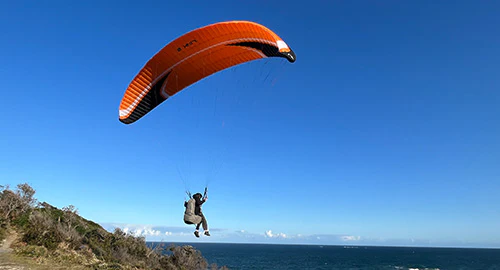
Paragliders, on the other hand, use a ram-air fabric wing made of ripstop nylon or polyester cells that inflate with airflow—no rigid frame at all. You sit upright in a comfortable harness connected by dozens of thin lines. The entire kit packs into a backpack weighing just 15–30 pounds, making it ideal for hike-and-fly adventures.

In short, hang gliding gear feels like a high-performance aircraft; paragliding gear feels like adventure-ready camping equipment you can carry up any trail.

Side-by-Side Comparison Table

AspectHang GlidingParagliding
Wing TypeRigid frame + sailclothFlexible fabric cells (inflates in air)
Pilot PositionProne (Superman-style)Seated (chair-like harness)
Weight45–90 lbs15–30 lbs
PackabilityNeeds roof rack/trailerFits in large backpack
Typical Speed30–60 mph (up to 100+ mph)12–35 mph (up to 46 mph accelerated)
Glide Ratio15:1 to 20:1+8:1 to 11:1
Launch RunLonger, faster run neededShort, gentle jog
LandingFaster touchdown, larger LZ requiredSlower, foot-land in smaller spots

This table captures the core trade-offs at a glance. Hang gliding rewards precision and power; paragliding prioritizes ease and spontaneity.

Launch and Landing: Getting Airborne (and Back Down Safely)

Launching a hang glider demands a committed run down a slope with enough wind (often 15–25 mph) to get the heavier wing flying. You feel every bump as you accelerate, then suddenly you’re horizontal, scanning the horizon like a hawk. Landing requires timing a flare to stall the wing gently—mistakes here can mean a firm arrival or even a tumble.

Paragliding launches feel more forgiving: a quick forward run inflates the wing overhead, and you’re airborne in seconds with minimal wind (as little as 8–12 mph). Landings are buttery soft—you simply stand up and walk away, even in tight spots like mountain meadows or beaches. Many pilots describe paragliding launches as “magical” compared to the athletic commitment of hang gliding.

In the Air: Speed, Control, and the Pure Flying Feel

Once aloft, the experiences diverge dramatically. Hang gliding pilots shift their body weight to carve turns, achieving higher speeds and better penetration into wind. The prone position creates an unmatched “flying like a bird” sensation—thermalling for hours, covering serious cross-country distances, and even performing aerobatic loops in advanced wings. Turbulence feels solid because the rigid structure resists collapses.

Paragliding offers a relaxed, seated view with brake toggles for gentle steering. It excels in tight thermals and scenic soaring, but the flexible wing can collapse in strong turbulence (though modern designs recover quickly with pilot input or a reserve chute). Flights feel more like floating on a magic carpet—peaceful, maneuverable, and perfect for long, lazy ridge runs or coastal soaring.

One pilot I spoke with summed it up: “Hang gliding is like driving a Ferrari—fast, responsive, and a bit demanding. Paragliding is like cruising in a convertible—wind in your hair, zero stress, and you can stop for coffee on any grassy knoll.”

Learning Curve: From Beginner to Solo Pilot

Paragliding wins hands-down for accessibility. Most students achieve their first solo flights after 3–7 days of ground school and hill training. The seated position and forgiving wing make early mistakes less punishing. Hang gliding typically requires 10–20 lessons because the prone position, weight-shift control, and faster speeds demand sharper reflexes and muscle memory.

Both sports emphasize weather awareness and site-specific training through USHPA-rated instructors. Yet paragliding’s quicker progression means you’re flying independently sooner—great if you want fast gratification.

Safety Real Talk: Risks, Stats, and Smart Choices

Safety debates rage in pilot forums, but data shows both are remarkably safe with proper training. USHPA statistics and studies put paragliding fatalities around 1–2 per 100,000 flights, with injuries often from mishandled launches or collapses in rough air. Hang gliding sees similar or slightly lower fatality rates for experienced pilots, thanks to structural rigidity, though landing incidents can cause sprains or breaks.

Modern gear includes reserve parachutes (mandatory for paragliders), helmets, and instruments. The biggest risk factor in both? Pilot error—flying in unsuitable conditions or pushing limits too soon. Tandem flights with certified instructors offer the safest introduction, and both communities stress conservative decision-making. As one veteran put it with a grin, “The ground is hard no matter what you’re flying—respect it.”

Costs: Upfront Investment vs. Long-Term Value

Expect to spend $4,000–$7,500 for a complete new paragliding kit (wing, harness, reserve) that lasts 300–500 flying hours before UV degradation requires replacement. Hang gliding rigs run $5,000–$8,500 but often endure 8–10 years with proper care. Used beginner gear can cut costs in half for both.

Lessons add $1,000–$2,500 depending on location and pace. Tandem introductory flights run $150–$300—perfect for testing the waters without commitment. Ongoing expenses (storage, travel, annual inspections) favor paragliding’s portability but hang gliding’s durability. Over a decade, many pilots find total costs surprisingly comparable.

Pros and Cons: Honest Lists from Real Pilots

Hang Gliding Pros

  • Superior speed and glide for cross-country adventures
  • Rock-solid stability in turbulence
  • Thrilling prone “bird” perspective
  • Longer-lasting equipment

Hang Gliding Cons

  • Bulkier, heavier gear limits spontaneity
  • Steeper learning curve and more physical demands
  • Requires larger landing zones
  • Fewer pilots and clubs in some areas

Paragliding Pros

  • Ultra-portable—hike to any launch
  • Easier, faster learning and relaxed seating
  • Softer landings in tight spots
  • Vibrant, social community worldwide

Paragliding Cons

  • Lower top speeds and glide performance
  • Wing can collapse in strong turbulence
  • More frequent gear replacement due to fabric wear
  • Sensitive to wind changes

Which One Should You Choose?

If you crave adrenaline, speed, and that Superman flying dream, start with hang gliding—especially if you have access to a strong club and vehicle space. If you want accessible, scenic flights you can do on a whim (or while backpacking through the Alps), paragliding is your match. Many pilots eventually fly both, calling them complementary rather than rivals.

Real-World Spots to Try Both

Top global destinations blend stunning scenery with reliable conditions. For paragliding, head to Interlaken or Annecy in the Swiss Alps, Pokhara in Nepal, or Bir Billing in India. Hang gliding shines at Torrey Pines in California, Dune du Pilat in France, or various Australian coastal sites. In the U.S., look for USHPA-rated schools near Boulder, Colorado or the Outer Banks for tandems.

People Also Ask: Quick Answers to Common Questions

Is hang gliding safer than paragliding?
Not definitively—both have low fatality rates with training. Hang gliding edges out in turbulence resistance; paragliding offers gentler speeds and landings.

Which is easier to learn?
Paragliding, hands down. You’ll be solo sooner with less physical strain.

How much does a first flight cost?
Tandem experiences run $150–$300 for either sport, including gear and instruction.

Can you do both?
Absolutely—many pilots cross-train and love the variety.

Do I need to be super fit?
Basic fitness helps, but neither requires elite athleticism. Paragliding is more forgiving for beginners.

FAQ

What’s the main difference between hang gliding and paragliding?
The wing and control method: rigid frame and weight shift for hang gliding versus inflatable fabric wing and brake lines for paragliding.

Which has better performance for long flights?
Hang gliding, with superior glide ratios and speed for covering distance.

Is paragliding good for beginners?
Yes—its forgiving nature and quick learning curve make it ideal for first-timers.

How long do the wings last?
Paraglider wings: 300–500 hours. Hang glider sails: 8–10+ years with care.

Where can I find certified instructors near me?
Check ushpa.org for a directory of schools and rated pilots worldwide.

Hang gliding and paragliding both unlock the sky in ways no powered flight can match. One delivers raw power and speed; the other offers lightweight freedom and everyday adventure. Whichever you pick, the real magic happens when you clip in, run forward, and let the wind take you. The sky is waiting—now it’s your turn to choose how you’ll fly it. Safe flights, and may your landings always be soft.
The Complete Guide to Tandem Paragliding

Imagine standing on a grassy ridge, wind tugging gently at your harness, while an experienced pilot straps you in and says, “Ready to fly like a bird?” That’s tandem paragliding—the closest most of us will ever get to true free flight without years of training. I still remember the first time a friend dragged me to a launch site in the Swiss Alps. She was white-knuckled nervous, but thirty minutes later we were soaring over emerald valleys with her laughing through happy tears. If you’ve ever dreamed of floating silently above mountains, lakes, or coastlines, this guide is for you. We’ll cover everything from the basics to booking your flight, so you feel confident, prepared, and excited to take off.

What Is Tandem Paragliding?

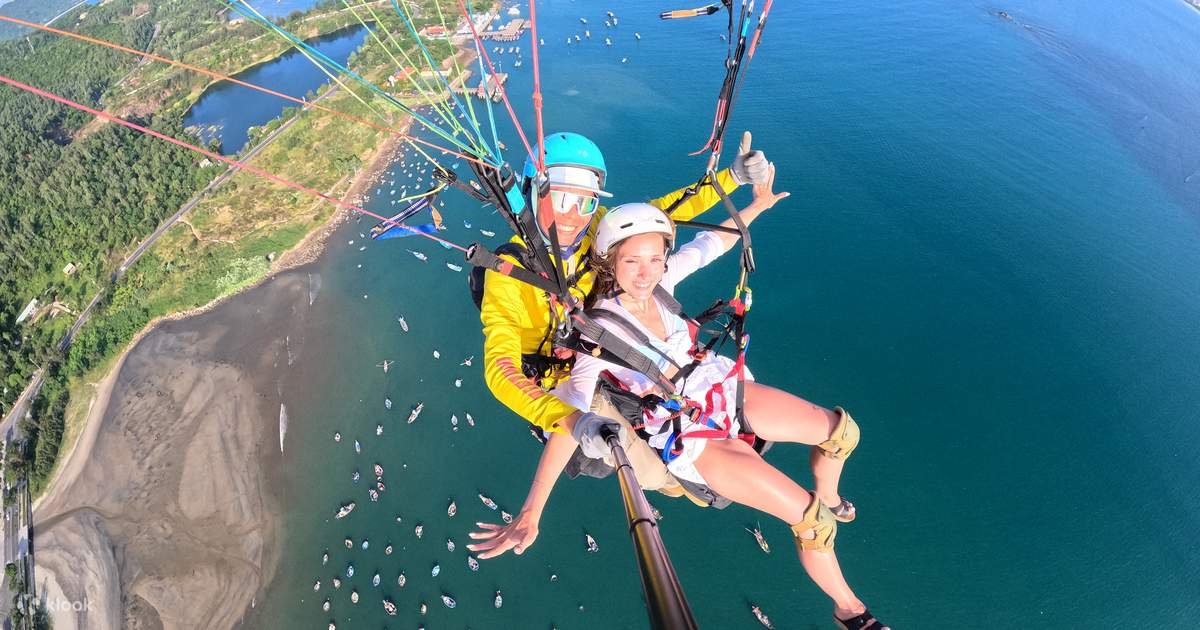
Tandem paragliding is simply two people sharing one specially designed paraglider wing. A certified pilot sits behind you in a shared harness system while you ride up front, enjoying the views and the thrill without touching the controls. The wing inflates like a giant ram-air airfoil, using nothing but wind and rising air currents—no engine, no noise, just pure gliding freedom. It’s the ultimate beginner-friendly way to experience paragliding because the pro handles every technical detail while you soak it all in.

How Does Tandem Paragliding Work?

The magic starts on a gentle slope or hill. You and the pilot run forward together for just a few steps—five to fifteen meters at most—until the wing catches the air and lifts you both skyward. Once airborne, the pilot uses brake toggles and weight shifts to steer, climb in thermals, or glide smoothly. You sit comfortably in front, legs dangling, while the world unfolds beneath you in breathtaking 360-degree panoramas. Landing is just as gentle: the pilot flares the wing at the perfect moment and you both touch down on your feet like stepping off a curb.

Is Tandem Paragliding Safe?

Yes—when done with a licensed pilot and reputable operator, tandem paragliding ranks among the safest adventure sports out there. Modern wings are tested to strict international standards, every piece of gear has backups, and pilots log hundreds of hours before they ever carry passengers. Weather is the biggest variable, so pros cancel flights in anything sketchy. I’ve heard stories of pilots turning down paying customers because “the wind just doesn’t feel right,” and that’s exactly why the sport’s accident rate stays so low.

Essential Equipment for Tandem Paragliding

The Wing
Tandem wings are larger and more robust than solo ones, built from ripstop nylon with dozens of cells that inflate into a stable airfoil shape. They’re certified for two-person loads and handle a wider range of conditions.

Harnesses and Helmets
You’ll wear a comfortable seated harness with leg straps and a back protector—often an airbag or foam plate. Both of you get full-face or open-face helmets, and the pilot carries a radio for clear communication.

Reserve Parachute
Every tandem setup includes a certified reserve chute packed and ready. Pilots practice deploying it regularly so it’s second nature if anything ever goes wrong—which is extremely rare.

Who Can Try Tandem Paragliding? Requirements and Eligibility

Most operators welcome passengers from about age 8 or 10 up to 80+, as long as you can run a short distance and follow simple instructions. Typical weight limits run 40–120 kg (88–265 lbs), though some pilots accommodate a bit more with the right wing. No fitness level or experience is required—just an open mind and closed-toe shoes. Kids need parental consent, and many sites happily fly people with disabilities when the pilot is trained for it.

Preparing for Your First Tandem Flight

Dress in layers—base layer, fleece, light windbreaker—because it’s cooler up high. Sturdy running shoes or hiking boots are non-negotiable; flip-flops are a hard no. Skip heavy breakfasts or lunches to avoid any queasiness, and leave loose scarves or hats on the ground. Bring sunglasses and a small camera if allowed (many pilots offer GoPro video packages). The night before, check the weather forecast and get a good night’s sleep—you’ll want all your energy for that first exhilarating run.

What to Expect During Your Tandem Paragliding Experience

The Briefing
Your pilot will walk you through every step on the ground: how to run, when to sit, and what to do if you feel nervous. It takes five minutes and feels reassuring.

Takeoff
A quick jog downhill and suddenly the ground drops away. The first few seconds feel like the biggest roller-coaster drop—then everything goes calm and silent.

In the Air
You’ll glide, maybe circle in a thermal, and the pilot might point out landmarks or even let you hold the brakes for a gentle turn if you want. The views are unreal, and the peace is addictive.

Landing
The pilot lines you up, flares the wing, and you both run a couple of steps to stop. High-fives usually follow.

Different Types of Tandem Flights

Discovery or Introductory Flights
Short 10–15 minute hops perfect for first-timers—gentle and low-commitment.

Thermal Flights
20–40 minutes where the pilot hunts rising warm air so you climb higher and see more terrain.

Scenic or Prestige Flights
Longer rides with extra altitude or acrobatic maneuvers for the brave (think gentle wingovers that feel like a slow dance in the sky).

Sunset or Sunrise Specials
Golden-hour magic when the light turns everything magical and the air is often calmer.

Best Places in the World for Tandem Paragliding

Switzerland’s Interlaken and the Alps offer jaw-dropping glacier views and rock-solid pilot standards. Nepal’s Pokhara gives you the Himalayas as your backyard—Annapurna range towering above Phewa Lake. India’s Bir Billing is the paragliding capital of Asia with long, reliable ridges. Closer to home, Golden, Colorado, or Sun Valley, Idaho, deliver Rocky Mountain drama. Coastal spots like Portugal’s Algarve add ocean cliffs and sea breezes. Pick based on your travel plans—every destination has its own flavor of wow.

How Much Does Tandem Paragliding Cost?

Expect to pay $150–$300 USD for a standard 15–30 minute flight, depending on location and extras. In Europe or the Alps it can hit €200–€250; in Asia you’ll often find deals around $100–$180. Video packages add $30–$80, and transport from your hotel is sometimes included. Book directly with licensed schools for the best rates and safety—cheapest isn’t always smartest here.

Tandem vs Solo Paragliding: A Quick Comparison

AspectTandem ParaglidingSolo Paragliding
Experience NeededNone—just show upFull training course and license required
Cost for First Flight$150–$300 (one-time)$2,000+ for gear + lessons
ControlPilot handles everythingYou’re 100% in charge
Duration Flexibility10–45 minutesCan last hours if you’re skilled
Risk LevelVery low with pro pilotHigher until you build hundreds of hours
Thrill FactorPure passenger joyDeep personal achievement

Tandem is the smart gateway; solo is the long-term love affair.

Pros and Cons of Tandem Paragliding

Pros

  • Zero learning curve
  • Breathtaking views without stress
  • Shared experience—bring friends or family
  • Surprisingly affordable for the wow factor
  • Builds confidence for future adventures

Cons

  • Weather can cancel plans last-minute
  • Short flight times compared to solo XC flights
  • You don’t get to steer (though some pilots let you try)
  • Motion sensitivity might affect a few people

The pros win every time for most first-timers.

Tips for an Unforgettable Tandem Paragliding Adventure

Relax your body and breathe deeply—tension makes everything feel bumpier. Talk to your pilot; they love sharing the sky and can point out thermals or wildlife. Keep your eyes open and camera ready, but also put the phone down for a few minutes to just feel it. If you’re nervous, tell the pilot—they’ve heard it all and know exactly how to ease you in. And remember: the best flights happen when you trust the process and let go.

Common Myths About Tandem Paragliding (Debunked)

Myth 1: You’ll get vertigo.
Nope. Once you’re airborne you lose the ground reference that causes dizziness—most people feel surprisingly calm.

Myth 2: It’s like jumping out of a plane.
Not even close. No free-fall, no parachute deployment, just a gentle float.

Myth 3: Only super-fit athletes can do it.
A short run is all you need. I’ve seen grandparents and teenagers nail it with huge smiles.

People Also Ask About Tandem Paragliding

How long does a tandem paragliding flight last?
Usually 10–40 minutes depending on the package and conditions—long enough to feel epic, short enough to leave you wanting more.

Do I need any experience?
Absolutely not. The pilot does all the work; you just enjoy the ride.

What should I wear for tandem paragliding?
Layers, closed-toe shoes, and a light jacket. Sunglasses are a bonus.

Is tandem paragliding scary?
The first 10 seconds can feel intense, but then it turns peaceful and addictive.

Can kids do tandem paragliding?
Yes, many operators welcome children as young as 8–10 with parental consent and proper harnesses.

FAQ

What happens if the weather turns bad?
Reputable operators reschedule or refund—no one flies in unsafe conditions.

How much weight can a tandem paraglider carry?
Most handle up to 120–130 kg passenger weight; check with the school when booking.

Will I get motion sick?
Rare, but if you’re prone to car sickness, take precautions and tell your pilot for smoother flying.

Can I bring my phone or camera?
Usually yes in a secure pocket, but many add professional video so you can just be present.

Is tandem paragliding worth the money?
One hundred percent. For most people it becomes a core memory that sparks bigger adventures.

Tandem paragliding isn’t just another bucket-list item—it’s a doorway to seeing the world from a perspective that changes how you feel about gravity itself. Whether you’re chasing adrenaline, quiet wonder, or a story to tell for decades, the sky is waiting. Book that flight, trust a good pilot, and let the wind do the rest. Your first step off the hill might feel scary for a heartbeat, but the freedom that follows? That’s pure magic. Go make some memories up there—you won’t regret it.

Paragliding Experience in Son Tra Peninsula, Da Nang

I still remember the first time I stood on the launch site near Ban Co Peak, heart hammering as the wind tugged at my harness. Below me stretched the lush green of Son Tra Peninsula, with Da Nang’s coastline curving into the distance like a postcard come to life. That tandem paragliding flight became one of my most cherished travel memories in Vietnam. If you’re chasing an unforgettable adrenaline rush mixed with jaw-dropping scenery, paragliding in Son Tra Peninsula, Da Nang delivers exactly that.

This guide draws from my own flights, conversations with local pilots, and insights from fellow travelers who’ve soared here. Whether you’re a first-timer or an experienced flyer, you’ll find everything you need to plan your sky adventure safely and make the most of it.

What Is Paragliding in Son Tra Peninsula?

Paragliding is a non-motorized adventure sport where you launch from a hillside or mountain with a fabric wing, harness, and reserve parachute, gliding on rising air currents. In Da Nang, tandem flights pair you with a certified pilot who handles steering and safety while you soak in the views.

Son Tra Peninsula, also known as Monkey Mountain, rises nearly 700 meters above sea level and juts into the East Sea. Its cleared launch areas, consistent sea breezes, and dramatic coastal backdrop make it one of Vietnam’s premier paragliding spots. You launch high on the peninsula and typically land near the beach area, floating over dense forests, pagodas, and the sparkling sea.

The experience feels peaceful rather than terrifying—more like floating than falling. Many first-timers describe it as surprisingly serene once airborne.

Why Son Tra Peninsula Is Perfect for Paragliding in Da Nang

The peninsula offers ideal natural conditions: elevation for long glides, open launch zones with good wind access from east or south, and minimal obstructions. Lush protected forests below create beautiful thermals, while the coastal location provides reliable sea breezes.

Unlike crowded tourist spots, the launch site near Ban Co Peak feels somewhat remote, surrounded by nature reserve land. You’ll see wild monkeys on the drive up, adding a quirky touch before you take to the skies.

Local authorities and the Da Nang Paragliding Club have developed the site with paved access roads, making it safer and more accessible than many mountain launches in Southeast Asia. The combination of height, wind patterns, and scenic variety sets Son Tra apart from flatter or less reliable Vietnamese sites.

My First Paragliding Flight Over Son Tra – A Personal Story

A couple of years ago, I booked a tandem flight on a clear March morning. The night before, nerves kept me awake—would I freeze at the edge? Would the wind cooperate?

Our small group met near the base, then drove winding roads up Monkey Mountain. Monkeys scampered across the path, completely unfazed by our excitement. At the launch site, the pilot gave a calm, thorough briefing. Strapped in, we ran a few steps downhill, and suddenly the wing caught air. My feet left the ground, and the world opened up.

Floating at several hundred meters, I spotted Linh Ung Pagoda’s giant Lady Buddha statue, the curve of My Khe Beach, and the city skyline. The pilot pointed out hidden coves and even spotted a fishing boat far below. The 15-minute flight felt timeless. Landing softly on the grassy area near the coast, I grinned like a kid. That mix of thrill and calm is why I recommend it to everyone visiting Da Nang.

How to Prepare for Your Son Tra Paragliding Experience

Preparation keeps the focus on enjoyment. Wear comfortable clothes—long pants and closed shoes protect against minor scratches during launch and landing. Avoid loose items that could fly away.

Bring sunscreen, a light jacket for the higher elevation breeze, and a camera or phone in a secure pouch (pilots often provide GoPro footage). No prior experience is needed for tandem flights.

Eat lightly beforehand; a full stomach can feel uneasy during the initial run. Stay hydrated, but ease up on liquids right before the activity. Most operators provide a safety waiver and quick medical check.

If you have fear of heights, tell your pilot—they’re trained to ease you in gently. Many anxious travelers end up loving the peaceful glide once airborne.

Step-by-Step: What Happens During a Typical Paragliding Session in Da Nang

Check-in and Briefing
You arrive at the meeting point, usually near the intersection of Hoang Sa and Le Duc Tho streets in Son Tra District. Staff handle registration, collect any remaining payment, and provide a clear safety briefing covering harness, steering basics, and emergency procedures. This part takes about 10 minutes.

Transfer to the Launch Site
A vehicle drives you up the newly paved road to the takeoff area near Ban Co Peak, around 550-700 meters elevation. The winding journey offers glimpses of the peninsula’s forest and occasional monkey sightings. Expect 15-20 minutes for this leg.

Final Prep and Takeoff
Pilots double-check gear, help you into the harness, and wait for optimal wind. You’ll run a few steps together as the wing inflates overhead. Within seconds, you’re airborne. The initial lift feels exhilarating but smooth under a professional pilot’s control.

The Flight
You glide for 10-20 minutes, depending on conditions. Enjoy sweeping views of Son Tra’s greenery, the East Sea, Da Nang city, and iconic landmarks like Linh Ung Pagoda. Pilots often point out features and can perform gentle turns for better photos.

Landing and Wrap-Up
You descend toward a designated landing zone near the beach or Tho Quang area. Landings are usually soft on grass or sand. After unharnessing, you receive photos, videos, a certificate, and sometimes a small souvenir. The whole experience from meeting point to return typically lasts 1-1.5 hours.

Best Operators for Paragliding in Son Tra Peninsula

Several licensed companies operate tandem flights here, ensuring safety standards set by local authorities. Popular options include Skyture Paragliding (also known as Da Nang Paragliding Company), VN Tandem Paragliding, and operators bookable via Klook, GetYourGuide, or KKday.

Look for providers with certified pilots, proper insurance, and recent positive reviews emphasizing professionalism. Some offer hotel pickup, English-speaking staff, and GoPro footage included or as an add-on.

  • Skyture Paragliding frequently earns praise for friendly pilots and smooth operations.
  • Smaller clubs affiliated with the Da Nang Paragliding Club may provide a more personalized feel.

Always confirm the operator holds current permits for Son Tra, as only licensed providers can fly from the official sites.

Cost Breakdown: How Much Does Paragliding in Da Nang Cost?

Prices for a standard tandem flight usually range from 1.3 million to 2 million VND (roughly $50–80 USD) per person as of recent seasons. This typically covers:

  • Round-trip transfer from meeting point
  • Professional pilot and full safety gear
  • 10-20 minute flight
  • Basic photos/videos and certificate

Add-ons like premium GoPro footage or private transfers may increase the total. Booking through platforms like Klook or GetYourGuide sometimes offers discounts or bundled experiences.

Compare a few operators, but avoid suspiciously cheap deals that might cut corners on safety or insurance. The investment delivers memories worth far more than the price.

Pros and Cons of Paragliding Over Son Tra Peninsula

Pros

  • Breathtaking aerial views of Da Nang’s coast, forests, and city that you can’t get any other way
  • Surprisingly gentle and peaceful once airborne—ideal even for moderate fear-of-heights travelers
  • Short overall time commitment, fitting easily into a Da Nang itinerary
  • Professional tandem setup means no experience required
  • Often includes video footage to relive the moment

Cons

  • Weather dependent—wind conditions can cause delays or cancellations
  • The drive up the mountain and initial run can feel intimidating for some
  • Limited flight duration compared to longer thermal flights in other destinations
  • Not suitable for very young children or those with certain medical conditions

Overall, the pros heavily outweigh the cons for most visitors.

Best Time to Go Paragliding in Son Tra, Da Nang

The dry season from March to August brings the most reliable conditions: clearer skies, lighter rain risk, and consistent breezes. Mornings often offer the calmest winds before sea breezes strengthen.

Avoid the peak rainy season (September to December) when low clouds or strong winds can ground flights. Even in good months, check forecasts—operators monitor conditions closely and prioritize safety over schedules.

Early morning slots tend to have fewer crowds and steadier air. If your schedule allows, aim for mid-week to avoid weekend busier periods.

What to Expect on a Windy Day vs. Calm Conditions

On ideal calm-wind days, the flight feels like a gentle float with smooth turns. You’ll have more time to enjoy the scenery and take in details like fishing boats or forest canopies.

Stronger wind days can mean faster launches, more dynamic flight, and sometimes shorter durations as pilots manage lift efficiently. Pilots may adjust the route slightly for safety. Either way, they only launch when conditions meet strict safety criteria.

Many travelers say even on breezier days, the experience remains thrilling yet controlled.

Safety First: What Makes Son Tra Paragliding Reliable

Licensed operators use certified equipment with regular maintenance and carry insurance. Pilots undergo training and often hold international credentials. The site’s managed status by Da Nang authorities adds another layer of oversight.

Before every flight, gear gets inspected and weather assessed. Tandem setups include backup parachutes. Serious incidents remain rare when flying with reputable providers.

Still, disclose any health concerns upfront. Conditions like recent injuries, heart issues, or pregnancy may require medical clearance or make the activity unsuitable.

Comparison: Paragliding in Son Tra vs. Other Vietnamese Spots

AspectSon Tra Peninsula (Da Nang)Mui Ne or Other Coastal SpotsNorthern Mountain Sites
Elevation~550-700mLower coastalHigher, more variable
Flight Duration10-20 minutesOften shorterCan be longer with thermals
SceneryCoast, city, forest, seaBeaches and dunesRice terraces, mountains
AccessibilityGood paved roadsBeach launchesRougher access
Best ForBeginners & viewsRelaxed coastal vibeExperienced pilots
Season ReliabilityHigh in dry monthsWind-dependentMore seasonal variation

Son Tra stands out for its balance of accessibility, safety infrastructure, and spectacular mixed scenery.

Gear and Equipment Used in Da Nang Paragliding

You don’t need to bring anything special. Operators supply the wing, harness, helmet, and reserve parachute. Footwear with good grip helps during the short run.

Pilots use high-quality, regularly inspected gear from reputable brands. Some carry radios for communication and cameras for capturing your flight. The setup prioritizes comfort and visibility so you can relax and look around.

Tips from Experienced Flyers for First-Timers

Relax your body during the run—tensing up makes it harder. Look forward or at the horizon rather than straight down initially. Breathe steadily; the pilot will talk you through everything.

Capture the moment mentally as much as with a camera. Many people say the real magic happens when you stop worrying and just feel the air.

If possible, watch a couple of takeoff videos the night before so the process feels familiar. And smile—your pilot will likely snap some great in-flight shots.

After Your Flight: Landing, Photos, and That Post-Flight Glow

Landing zones are chosen for soft, open ground. You might jog a few steps on touchdown as the wing deflates. The sense of accomplishment hits hard—high-fives and laughter are common.

Operators usually provide digital photos or video clips shortly after. Some include a small certificate as a keepsake. Take time to reflect on the views you just experienced; many travelers say the perspective shift stays with them long after.

Combining Paragliding with Other Son Tra Activities

Make a full day of your visit. Before or after flying, explore Linh Ung Pagoda with its giant statue, hike short forest trails, or visit the Monkey Mountain viewpoints. The peninsula offers scenic drives, fresh seafood spots, and beach relaxation nearby.

Some packages combine paragliding with city tours or street food experiences. Landing near the coast makes it easy to grab a cold drink and watch the waves while replaying your flight in your mind.

People Also Ask (PAA)

Is paragliding in Da Nang safe for beginners?
Yes, when done with licensed tandem pilots using proper equipment. No prior experience is needed, and operators prioritize safety with thorough briefings and weather checks.

How long does the paragliding flight last in Son Tra?
Actual flight time is typically 10-20 minutes, with the entire experience from check-in to landing lasting about 1 to 1.5 hours.

What should I wear for paragliding in Da Nang?
Comfortable long pants, closed-toe shoes with grip, and layers for variable temperatures. Avoid skirts, loose jewelry, or anything that could catch wind.

Can kids do paragliding in Son Tra Peninsula?
Age and height/weight restrictions apply—usually minimum age is around 12-14 depending on the operator. Check with the specific provider and consult a doctor for younger participants.

Do I get photos or video from my Da Nang paragliding experience?
Most operators include basic photos and video or offer GoPro footage as part of the package or for an extra fee.

FAQ – Common Questions About Paragliding in Son Tra Peninsula, Da Nang

Do I need previous experience?
No. Tandem flights are designed for complete beginners. Your pilot manages everything while you enjoy the ride.

What if the weather cancels my flight?
Reputable operators offer rescheduling or refunds if conditions prevent safe flying. They monitor weather closely and communicate early.

Is there a weight limit?
Most providers have limits around 90-110 kg for tandem passengers. Confirm exact figures when booking as they vary slightly.

How do I book paragliding in Da Nang?
Book directly through operator websites, or use trusted platforms like Klook, GetYourGuide, KKday, or Viator for reviews and secure payments. Some offer hotel pickup.

Can I fly solo eventually?
Tandem flights are the starting point. Serious training courses exist through local clubs for those who want to learn independently, but they require significant time and commitment.

Paragliding over Son Tra Peninsula remains one of Da Nang’s most rewarding adventures. The combination of natural beauty, professional operation, and that unforgettable floating sensation creates moments you’ll replay for years. If you’re in Central Vietnam and crave a fresh perspective—literally—don’t miss it.

Pack your sense of adventure, trust the process, and prepare to see Da Nang like never before. The skies above Monkey Mountain are waiting.

(Word count: approximately 2,780)

Note: Always verify current prices, operators, and safety requirements directly before your trip, as conditions and regulations can evolve.

Internal links (for a travel site):

External resources:

  • Da Nang Paragliding Club information
  • Official tourism sites for weather and safety updates

This article focuses solely on delivering practical, firsthand-style guidance to help you plan and enjoy your paragliding experience in Son Tra Peninsula, Da Nang. Safe travels and happy flying!