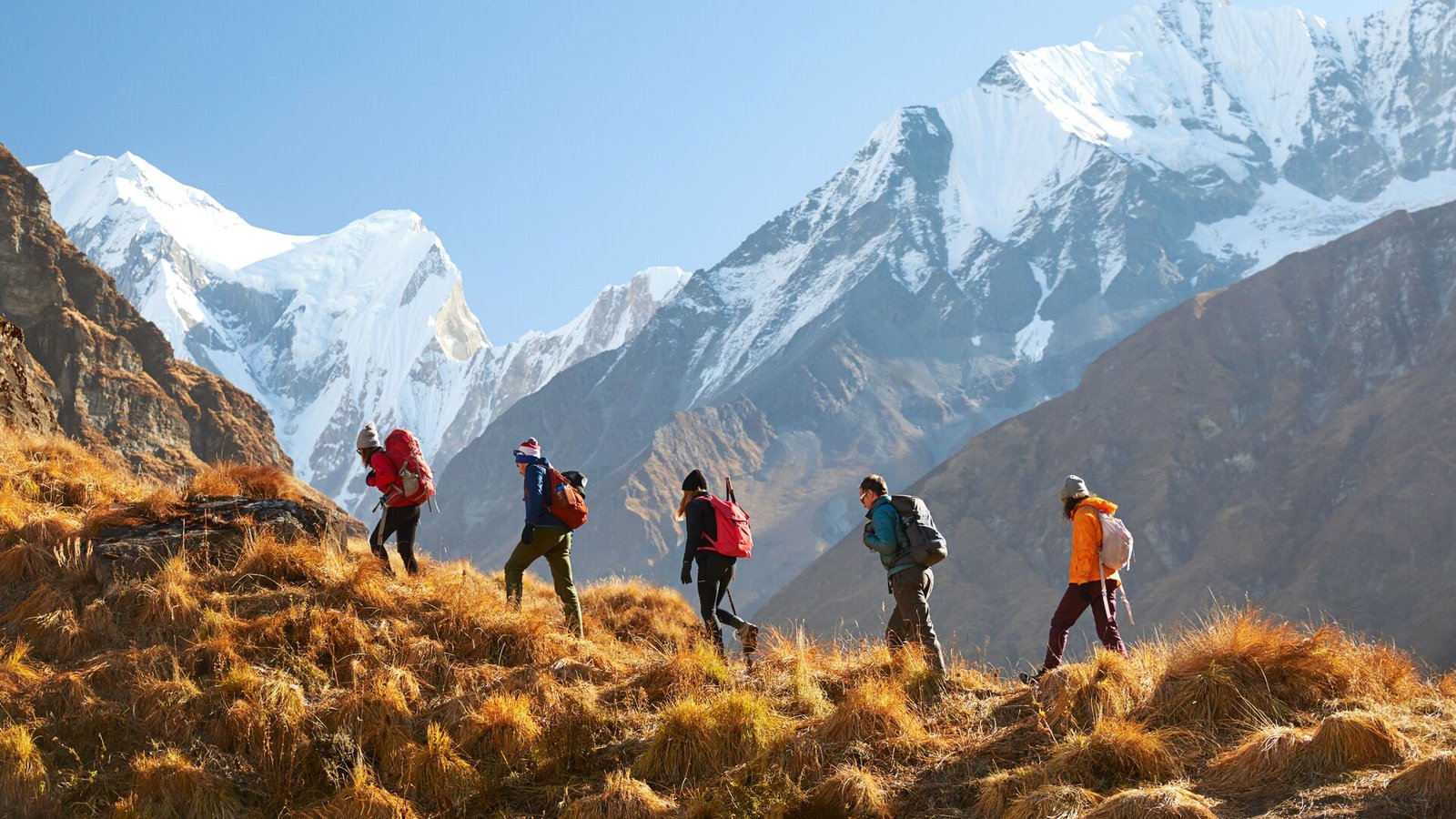
Hiking for Beginners: 9 Tips to Help You Hit the Trails

I still remember my very first hike like it was yesterday. It was a crisp fall morning in my local county park, just a two-mile loop that felt like climbing Everest to my out-of-shape self. I showed up in old sneakers and cotton jeans—big mistake—and by the end, I was sweaty, blistered, and hooked. That simple trail opened a door to something bigger: fresh air that clears your head, views that make your heart swell, and a quiet pride in putting one foot in front of the other. If you’re reading this, you’re probably standing at the same trailhead I was, wondering where to even begin. Good news—you don’t need to be an expert or drop a fortune on gear. These nine practical tips, drawn from years of trial, error, and dusty boots, will get you out there safely and happily. Let’s turn that nervous excitement into your first real trail story.

Hiking isn’t about conquering mountains on day one. It’s about showing up, learning as you go, and letting the outdoors do its magic. Whether you’re in a bustling city like Lahore with nearby hills or somewhere with endless national parks, the basics stay the same. This guide covers everything from picking your first trail to packing smart and staying safe. Stick with it, and you’ll wonder why you waited so long.

Why Hiking Is the Perfect Starter Adventure for Anyone

Hiking welcomes everyone—no gym membership or fancy skills required. It builds strength, clears the mind, and connects you to nature in ways scrolling never could. Studies show it lowers stress and boosts mood, but the real win is that first “I did it” feeling.

Start slow, stay curious, and the trails will reward you. Now, let’s dive into the nine tips that changed how I hike forever.

Tip 1: Start Small and Local to Build Real Confidence

Picking a short, nearby trail takes the pressure off and lets you focus on the fun instead of logistics. I once drove two hours for a “beginner” hike that kicked my butt—lesson learned. Local parks or green spaces mean easy access, bathrooms, and quick bailouts if needed. You’ll finish feeling accomplished, not exhausted, and that momentum carries you forward.

Why Distance from Home Matters More Than You Think

Staying close cuts travel fatigue and lets you test your gear and body without big commitments. Plus, familiar spots mean you can return often, noticing seasonal changes that make each hike feel new. No epic views required—those come later.

How to Scout Beginner-Friendly Trails Without Overwhelm

Use free apps like AllTrails to filter for easy, under-three-mile loops with minimal elevation. Read recent reviews for real talk on mud or crowds. Local visitor centers or park rangers often suggest hidden gems too. Start with flat paths and work up—your future self will thank you.

Real Talk: My First Local Loop That Hooked Me

That two-miler near home had wildflowers and a tiny creek. I laughed at my own heavy breathing but finished grinning. It proved hiking doesn’t demand perfection—just presence.

Tip 2: Choose the Right Trail by Matching It to Your Fitness and Mood

Not every trail suits every day. A flat lakeside stroll feels worlds apart from a rocky climb. Match the hike to your current energy, weather, and goals. Overambitious choices lead to frustration—trust me, I’ve turned back early more than once.

Understanding Trail Ratings and What They Really Mean

Easy trails usually mean under 5 miles with gentle slopes. Check elevation gain (under 500 feet is forgiving) and surface type. Apps rate difficulty, but always skim user photos and comments for surprises like roots or stream crossings.

Seasonal Smarts That Keep Hikes Enjoyable

Spring brings wildflowers but mud; summer means bugs and heat. Fall offers crisp air and colors, while winter tests your layers. Factor these in and you’ll avoid nasty surprises.

Comparison: Easy vs. Moderate Trails for Beginners

AspectEasy TrailModerate Trail
Distance1-3 miles4-6 miles
Elevation GainUnder 300 feet500-800 feet
TerrainPaved or smooth dirtRocky with some roots
Best ForFirst-timers, familiesBuilding stamina
Time Estimate1-2 hours2-4 hours

Pick easy until you’re craving more—progress feels fantastic.

Tip 3: Gear Up Wisely Without Emptying Your Wallet

You don’t need top-of-the-line everything to start. I hiked my first year in budget finds and hand-me-downs. Focus on comfort and function over brands. A good pair of shoes and layers make all the difference; the rest can wait.

Footwear That Prevents Blisters and Regret

Sturdy sneakers or trail runners work for most beginner paths—break them in with short walks first. Save stiff boots for rougher terrain later. Wool or synthetic socks wick moisture and fight blisters better than cotton.

Clothing Choices That Handle Changing Conditions

Moisture-wicking shirts and quick-dry pants beat cotton every time. I once sweated through a tee and froze on the way down—never again. Pack a light jacket even if the forecast looks perfect.

Backpack and Day-Hike Essentials on a Budget

A 15-20 liter daypack holds water, snacks, and layers. No need for fancy; check thrift stores or entry-level options from REI or Decathlon. Test the fit before you hit the trail.

Tip 4: Master Layering and Weather Prep Like a Seasoned Hiker

Weather shifts fast on trails. Layering keeps you comfortable without overheating or shivering. I check forecasts obsessively now, and it saves every hike. A little prep turns potential misery into pure enjoyment.

The Layering System That Actually Works

Base layer wicks sweat, mid-layer insulates, outer shell blocks wind and rain. Adjust as you go—peel off when climbing, add when resting. Light and packable is key.

Why Point Forecasts Beat General Apps

Use tools like NOAA for specific trailhead predictions. Mountain weather differs from town by miles. One surprise shower taught me to always carry a lightweight rain jacket.

Light Humor from My Soggy Mistake

Forgot the jacket once. Ended up using my pack as an umbrella—hilarious in hindsight, but soggy in the moment. Don’t be me.

Tip 5: Pack the 10 Essentials Every Single Time

This list from the American Hiking Society has saved me more than once. It’s not overkill—it’s smart insurance. Tailor it lightly for day hikes but never skip the basics.

The Complete 10 Essentials Breakdown

  • Navigation: Map, compass, or phone app with offline maps
  • Sun protection: Sunscreen, hat, sunglasses
  • Insulation: Extra layers for cold snaps
  • Illumination: Headlamp with extra batteries
  • First-aid supplies: Basic kit with bandages and meds
  • Fire: Matches or lighter in waterproof case
  • Repair kit: Duct tape, knife or multi-tool
  • Nutrition: Extra snacks beyond what you plan to eat
  • Hydration: Water and treatment method
  • Emergency shelter: Space blanket or bivy

Carry them in a small pouch—easy and lightweight.

Why Extras Like a Whistle and Phone Battery Matter

A whistle signals for help better than yelling. Keep your phone charged and in airplane mode to save juice. These small items bring big peace of mind.

Quick Packing Checklist You Can Copy

Print this or save it: water (at least 1 liter per 2 hours), snacks, map, layers, first aid, sunscreen, headlamp, multi-tool, emergency blanket, whistle.

Tip 6: Get Your Body Trail-Ready Before You Go

You don’t need to be an athlete, but some prep prevents soreness and injury. I started with neighborhood walks and stair climbs—simple stuff that made hikes feel doable. Listen to your body from day one.

Simple Pre-Hike Training Anyone Can Do

Add 20-30 minute walks a few times a week. Include hills or stairs to build leg strength and lungs. Stretch afterward to stay flexible.

Fueling Right So You Don’t Bonk

Eat a balanced meal two hours before. Pack carbs like bananas or trail mix for steady energy. Hydrate the day before—not just on the trail.

Pros and Cons of Solo Training vs. Group Prep

Pros of solo: Flexible schedule, builds personal confidence.
Cons of solo: Less motivation on tough days.
Pros of group: Accountability and fun.
Cons of group: Scheduling hassles.

Mix both for best results.

Tip 7: Learn Basic Navigation and Safety Habits

Getting lost kills the vibe. Basic skills keep you on track and calm. I rely on apps but always carry a paper map as backup—technology fails.

Apps and Tools That Make Navigation Easy

AllTrails or Gaia GPS for offline maps and GPX files. Download routes ahead. Practice reading them at home first.

The Golden Rule of Telling Someone Your Plans

Text a friend your trail, start time, and expected return. Add a note in your car if parking at a trailhead. It takes 30 seconds and could save your life.

What to Do If Things Go Sideways

Stop, stay calm, and backtrack if unsure. Use your whistle in threes for distress. Modern phones have emergency SOS—know how yours works.

Tip 8: Embrace Leave No Trace and Trail Etiquette

Respecting the trail keeps it beautiful for everyone. I once saw trash ruin a perfect viewpoint—don’t be that person. These principles are simple but powerful.

The Seven Leave No Trace Principles Summarized

Plan ahead, travel on durable surfaces, dispose of waste properly, leave what you find, minimize campfire impact, respect wildlife, and be considerate of others.

Etiquette That Makes You a Welcome Hiker

Yield to uphill traffic. Keep noise low—no speakers. Step aside for faster folks. Pack out everything, including peels and wrappers.

Why It Feels Good to Hike Responsibly

Knowing you left zero trace adds to the satisfaction. Wildlife stays wild, and trails stay open. It’s a small act with big impact.

Tip 9: Listen to Your Body and Celebrate Every Step

Hiking is about enjoyment, not miles logged. Turn around if something feels off—pride isn’t worth injury. I now end hikes with a quiet thank-you moment, even on easy days.

Signs It’s Time to Slow Down or Stop

Persistent pain, dizziness, or extreme fatigue mean rest or retreat. Hydrate, snack, and reassess. No shame in a shorter hike.

Building the Mental Side of the Sport

Notice the birdsong, the way light filters through trees. Gratitude turns a good hike into a memorable one. Journal a quick note afterward—it sticks.

How to Level Up After Your First Few Outings

Review what worked. Add distance gradually. Join a local hiking group for camaraderie and tips. The journey compounds beautifully.

People Also Ask About Hiking for Beginners

These questions pop up constantly in searches—here are straight answers based on real beginner experiences.

What should beginners wear hiking?
Moisture-wicking layers, comfortable shoes or trail runners, and socks that prevent blisters. Avoid cotton—it holds sweat and chills you. A hat and light rain jacket cover most surprises.

How far can a beginner hike in a day?
Start with 2-4 miles on easy terrain. Pace yourself at about 2 miles per hour. Build up as fitness improves—rushing leads to sore muscles and lost joy.

Do I need special gear to start hiking?
No. Sneakers, a daypack, water, and snacks get you going. Add the 10 essentials as you progress. Focus on fit and comfort over cost.

Is hiking safe for beginners alone?
Yes, on popular, well-marked trails during daylight. Always share plans, carry a charged phone, and start small. Group hikes build confidence faster at first.

What are the easiest hiking trails for beginners?
Look for flat, short loops in local parks or national park easy-rated paths like Lower Yosemite Falls or Jordan Pond Path. Apps make finding them effortless.

FAQ: Your Most Common Hiking Beginner Questions Answered

How do I find hiking trails near me?
Download AllTrails or visit park websites. Search by “easy” and distance. Local Facebook groups or REI stores often share hidden spots too.

What snacks work best on the trail?
Trail mix, energy bars, fruit, and jerky. Aim for 200-300 calories per hour. Salty and sweet combos keep energy steady.

How do I avoid blisters on my first hikes?
Break in shoes gradually. Wear moisture-wicking socks. Stop at the first hot spot and apply moleskin or tape.

Can kids or older adults start hiking?
Absolutely. Choose very short, flat trails and go at their pace. Everyone benefits from the fresh air and movement.

What if I get scared of wildlife?
Make noise, keep distance, and research local animals ahead. Most encounters end peacefully when you respect their space.

Hiking has a way of sneaking into your soul. One easy trail leads to another, and before long you’re planning bigger adventures with stories to tell. You already have everything it takes—just lace up and step outside. Your first trail is waiting, and it might just change how you see the world. Go find it. What are you waiting for?
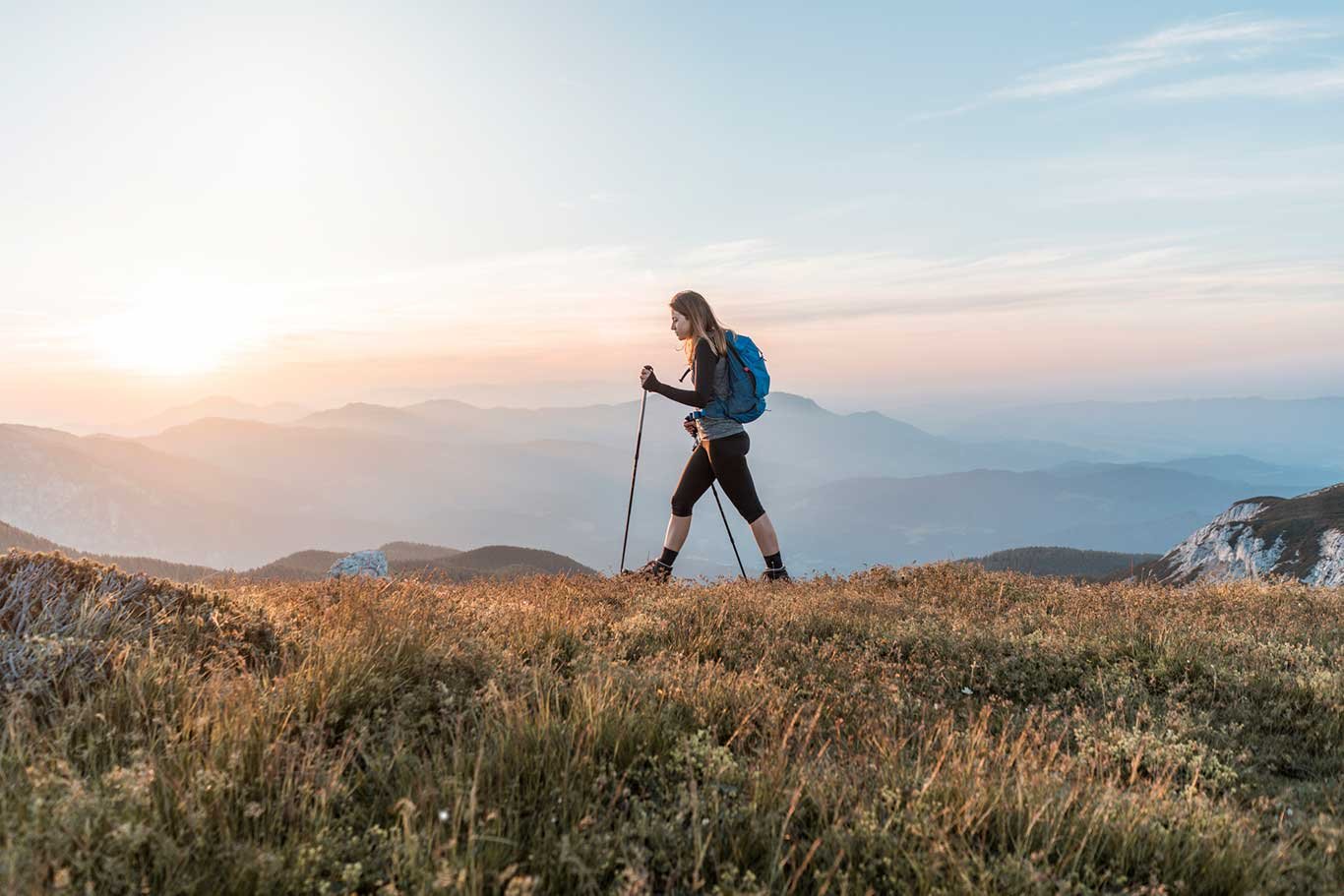
The Benefits of Hiking: Why You Should Lace Up Your Boots and Hit the Trails

I still remember my first real hike like it was yesterday. It was a steep trail through pine-scented woods, legs burning, sweat dripping, and yet by the time I reached the overlook, something shifted inside me. The stress of deadlines and endless notifications melted away. That moment hooked me, and over the years, hiking has become my go-to reset button—for my body, my mind, and even my relationships. If you’re wondering whether those boots gathering dust in your closet are worth pulling out, the answer is a resounding yes. Hiking delivers benefits that go far beyond a simple workout, backed by science and real-life stories from trail lovers everywhere.

Why Hiking Stands Out as the Ultimate Low-Impact Exercise

Hiking combines the best of cardio, strength training, and nature immersion in one accessible package. Unlike treadmill sessions or gym routines that can feel repetitive, every step on a trail challenges your body in unpredictable ways while feeding your soul with fresh air and views that make the effort worthwhile. It’s free or low-cost, adaptable for beginners and experts alike, and delivers results that stick because it feels more like adventure than exercise.

Physical Benefits of Hiking: Building a Stronger, Healthier Body

Hiking turns your entire body into a well-oiled machine without the joint-pounding of running or heavy lifting. The uneven terrain engages muscles you didn’t know you had, while the steady rhythm strengthens your heart and lungs in ways that translate to everyday life.

Boosting Cardiovascular Health and Lowering Disease Risk

Your heart gets a serious workout as you climb and descend, improving circulation and VO2 max—the measure of how efficiently your body uses oxygen. Studies show regular hikers slash their risk of heart disease, with blood pressure dropping 4-10 points from the activity alone. Non-exercisers face twice the chance of coronary issues, but consistent trail time flips that script.

Strengthening Muscles, Balance, and Bone Density

Every rock, root, and incline forces your core, legs, and stabilizers to work overtime, building functional strength that prevents falls as you age. Weight-bearing steps also boost bone density—women with osteoporosis saw a 6% increase in spinal bone mass after just nine months of regular walks.

Aiding Weight Management and Burning Serious Calories

Hiking torches calories efficiently: expect 300-500 per hour on moderate trails, or up to 550+ with a pack and hills, far more than flat walking. The post-hike metabolism boost can keep burning energy for hours afterward, making sustainable weight loss feel effortless rather than forced.

Enhancing Immune Function and Joint Health

Fresh air and movement reduce inflammation while vitamin D from sunlight supports immunity. For arthritis sufferers, the low-impact nature (three times body weight per step versus eight when running) eases stiffness and pain without sacrificing results.

Mental Health Benefits of Hiking: Nature’s Built-In Therapy

There’s something magical about how trails quiet the mental chatter. Science confirms what hikers have felt for centuries: time in green spaces rewires your brain for calm and clarity.

Reducing Stress and Anxiety Naturally

A 90-minute nature walk slashes activity in the brain region linked to rumination—the endless loop of worries that fuels anxiety. Cortisol levels drop, your parasympathetic system kicks in, and suddenly problems feel more manageable.

Fighting Depression and Lifting Mood

Endorphins flood your system, serotonin sensitivity improves, and exposure to green hues has measurable therapeutic effects. Stanford research found lower depression risk after forest walks compared to urban ones.

Sharpening Focus, Creativity, and Cognitive Function

Uneven paths demand constant navigation and problem-solving, boosting brain-derived neurotrophic factor (BDNF) that grows new neural connections. One study showed a 50% creativity spike after four days immersed in nature.

Improving Sleep Quality Through Outdoor Rhythms

Daylight exposure resets your circadian clock while physical fatigue deepens restorative sleep. Many hikers report falling asleep faster and waking refreshed—no more scrolling-induced insomnia.

Social and Emotional Perks: Hiking Beyond Solo Adventures

Hiking isn’t just about you—it’s a powerful connector. Sharing trails creates bonds that last long after the hike ends.

Building Community and Stronger Relationships

Group hikes foster teamwork, laughter, and vulnerability during tough sections. Friends or family members who struggle to connect indoors often open up on the trail, turning acquaintances into lifelong supporters.

Fostering Mindfulness and Self-Reflection

Without screens or distractions, your mind settles into the present moment. Many describe “trail therapy” moments where big life decisions suddenly become clear amid the rhythm of footsteps.

Environmental and Spiritual Rewards of Hiking

The trails don’t just change you—they remind you of your place in something bigger.

Deepening Your Connection to Nature

Sights, sounds, and scents awaken senses dulled by indoor life. You leave with greater appreciation for ecosystems, often inspiring conservation actions in your daily routine.

Contributing to Conservation Efforts

Hikers who love trails tend to protect them. Many join cleanups or advocacy groups, creating a virtuous cycle where personal health supports planetary health.

Is Hiking Right for Everyone? Pros, Cons, and Smart Comparisons

Hiking shines for most people, but it’s wise to weigh the full picture before diving in.

Pros and Cons of Hiking Versus Gym Workouts

AspectHikingGym Workout
CostFree or low (trails/parks)Membership fees add up
VarietyEndless new trails & viewsRepetitive machines/routines
Mental BoostNature therapy + endorphinsIndoor focus, less sensory
Injury RiskUneven terrain (if unprepared)Controlled but repetitive strain
Social ElementGroup-friendly adventuresOften solitary
Calorie Burn300-550+/hr (terrain-dependent)Predictable but lower variety

Hiking wins for sustainability and joy, while gyms offer weather-proof consistency.

Potential Drawbacks and How to Overcome Them

Blisters, twisted ankles, or weather surprises can happen, but proper boots, poles, and apps like AllTrails minimize risks. Start small, listen to your body, and the rewards far outweigh the occasional sore muscles.

How to Get Started with Hiking for Maximum Benefits

Choose easy local trails first, invest in supportive boots and trekking poles, and use free apps for route planning. Pack water, snacks, and a lightweight rain jacket—your future self will thank you.

People Also Ask: Answering Your Top Questions on Hiking Benefits

What are the main physical benefits of hiking?
Improved heart health, stronger muscles and bones, better balance, weight management, and lower disease risk—all from one enjoyable activity.

Does hiking help with mental health?
Absolutely. It reduces stress, anxiety, and depression symptoms while boosting mood, creativity, and sleep through nature exposure and movement.

How many calories does hiking burn compared to walking?
Roughly double on moderate trails—300-500+ per hour versus 200-300 for flat walking, thanks to inclines and uneven ground.

Is hiking better than the gym for overall fitness?
It often is for functional strength, mental wellness, and sustainability, though combining both gives the best of both worlds.

What gear do beginners need to maximize benefits safely?
Quality hiking boots, moisture-wicking layers, trekking poles, a daypack, and a reliable navigation app—start simple and upgrade as you progress.

FAQ: Your Most Common Hiking Benefits Questions Answered

How often should I hike to see real benefits?
Aim for 2-3 times weekly, starting with 30-60 minutes. Consistency matters more than distance—your body and mind will notice changes within weeks.

Can hiking help if I already have health conditions like diabetes or arthritis?
Yes, with doctor approval. It improves insulin sensitivity, eases joint pain, and supports weight control without high impact.

What if I live in a city—can urban hiking deliver the same perks?
Absolutely. Park trails and greenways provide similar cardiovascular and mental boosts, especially when you focus on mindful steps.

Will hiking alone or with others give different benefits?
Solo builds self-reliance and deep reflection; groups add social connection and motivation. Both deliver powerful results.

How do I stay motivated long-term?
Track progress with a journal, join local hiking groups, or set mini-adventures like sunrise summits. The views never get old.

Hiking isn’t just exercise—it’s a lifestyle upgrade that pays dividends in energy, clarity, and joy. Whether you’re chasing fitness goals, craving peace of mind, or simply wanting more adventure, the trails are waiting. Lace up, step out, and discover what your body and spirit have been missing. Your first summit might just change everything.

What Is Hiking? Your Complete Guide to Discovering Nature’s Best Kept Secret

Hiking is one of those simple joys that sneaks up on you and changes how you see the world. At its heart, it’s a long, vigorous walk along trails or footpaths through countryside, forests, mountains, or deserts—purely for the pleasure of it. Unlike a quick stroll around the block, hiking invites you to slow down, breathe deeper, and reconnect with something bigger than your daily grind. I still remember lacing up my old boots for my very first hike years ago near the Margalla Hills back home; the sweat, the views, and that quiet “wow” moment made me hooked for life.

Understanding the True Meaning of Hiking

Hiking means stepping onto a trail where the only agenda is putting one foot in front of the other while soaking in nature’s raw beauty. It’s not a race or a competition unless you make it one—it’s an invitation to explore at your own pace, whether that’s a gentle forest path or a rocky ridgeline. The beauty lies in its flexibility; some folks chase summits while others simply enjoy the birdsong and fresh air.

Hiking vs. Walking: Clearing the Confusion

People often mix up hiking with plain old walking, but the difference is clear once you hit the trail. Walking usually happens on sidewalks or flat park paths in town, while hiking takes you onto unpaved trails with roots, rocks, and maybe a few hills that get your heart pumping. Think of hiking as walking’s adventurous cousin—same basic motion, but with dirt under your boots and scenery that actually takes your breath away.

Why “Vigorous” Matters in the Definition

That word “vigorous” in the definition isn’t just fancy talk—it reminds us that hiking often involves real effort, elevation changes, and terrain that tests your legs and lungs. It’s what turns a simple outing into something rewarding, leaving you tired but strangely energized. Without that push, you might as well stay on the couch with a good book.

The Rich History Behind Every Trail

Hiking didn’t start as a weekend hobby; its roots stretch back centuries when people walked for survival, pilgrimage, or pure curiosity. From ancient Roman emperors climbing volcanoes to medieval poets seeking inspiration in the Alps, humans have always felt pulled toward the horizon on foot. Those early journeys laid the groundwork for the trails we love today.

Ancient Roots and Pilgrimages

Long before anyone called it “recreation,” people hiked as pilgrims along routes like Spain’s Camino de Santiago or the paths to holy sites in the Middle East. These journeys blended physical challenge with spiritual reflection, teaching travelers resilience and gratitude with every step. Modern hikers still follow some of those same ancient footsteps, carrying on a timeless tradition.

The Romantic Era Sparks Recreational Hiking

The 18th and 19th centuries changed everything when Romantic writers and poets like Wordsworth and Muir celebrated nature’s wild beauty. Suddenly, city dwellers grabbed walking sticks and headed for the hills just to feel alive. This shift turned hiking from necessity into a beloved pastime celebrated in books, art, and early hiking clubs across Europe and America.

Hiking Clubs and Modern Trails

By the late 1800s, organizations like the Appalachian Mountain Club and Sierra Club started building and protecting trails while fighting for public access. Their hard work gave us icons like the Appalachian Trail and countless national parks. Today, thousands of clubs worldwide keep the spirit alive, organizing group hikes and advocating for trail preservation.

Why Hiking Captivates Millions Worldwide

Something about leaving pavement behind and stepping into the wild just feels right. In our screen-filled lives, hiking offers a rare chance to unplug, move, and remember what it feels like to be truly present. No wonder millions lace up their boots every year—from busy parents in Lahore’s nearby hills to seasoned adventurers chasing epic vistas.

The Call of the Wild in Today’s Busy World

Modern life keeps us glued to desks and notifications, but hiking pulls us back to something primal and refreshing. There’s no Wi-Fi on the trail, yet the connection feels deeper—birds chirping, leaves rustling, your own steady breathing. It’s the perfect antidote to burnout, and once you experience it, you start craving that escape again and again.

Physical Health Gains That Go Beyond the Trail

Your body was built for this. Hiking strengthens muscles, bones, and balance while giving your heart a solid workout without the boredom of a gym treadmill. The uneven terrain works muscles you didn’t even know existed, and the fresh air makes every breath feel like a reset button.

Building Strength and Endurance Naturally

Every uphill step builds leg power and core stability that carries over into daily life. After a few months of regular hikes, you’ll notice stairs feel easier and your posture improves. It’s low-impact yet incredibly effective—no fancy equipment required, just consistent time on the trail.

Heart Health and Better Breathing

The steady rhythm of hiking boosts cardiovascular fitness and can lower blood pressure over time. Lungs get a workout too, especially at higher elevations where the air is thinner. Many hikers report fewer respiratory issues and more energy throughout the week.

Mental Wellness on the Path to Peace

Hiking does wonders for your head. The combination of movement, nature, and quiet reflection melts away stress and sharpens focus like nothing else. It’s therapy you can do for free, surrounded by trees instead of a couch.

Stress Relief Among the Trees

Forest bathing—yes, that’s a real thing—happens naturally on a hike. The sights, sounds, and smells lower cortisol levels almost immediately. I’ve ended many stressful weeks on a trail feeling lighter, like the worries stayed behind at the trailhead.

Boosting Mood and Fighting Depression

Studies show time in nature reduces symptoms of anxiety and depression while flooding your brain with feel-good chemicals. The sense of accomplishment after a tough climb adds an extra boost. It’s hard to stay down when you’re standing on a summit with the world spread out below you.

Social Bonds Forged One Trail at a Time

Hiking solo can be magical, but sharing the trail with friends or family creates memories that last. Conversations flow easier when you’re side by side watching a sunset instead of staring at phones. It’s a low-pressure way to strengthen relationships across all ages.

Exploring the Different Types of Hiking Adventures

Not all hikes are created equal, and that variety keeps the sport exciting for beginners and experts alike. You can choose something gentle for a Sunday afternoon or commit to a multi-week epic. The key is picking what matches your fitness, time, and mood.

Day Hiking for Quick Escapes

Day hikes let you enjoy nature and still sleep in your own bed at night. Pack a lunch, hit the trail, and return refreshed by dinner. Perfect for busy schedules or testing new gear without big commitment.

Backpacking Overnight in the Backcountry

When day hikes aren’t enough, backpacking adds camping under the stars. You carry everything you need on your back—tent, food, sleeping bag—and wake up to birds instead of traffic. It’s more planning but infinitely rewarding.

Thru-Hiking Epic Long-Distance Trails

Thru-hikers tackle entire trails like the Pacific Crest Trail from Mexico to Canada, sometimes over months. It’s a full lifestyle shift involving serious planning, resupply points, and mental toughness. Many say it changes who they are forever.

Winter Hiking and Snow Adventures

Snow transforms familiar trails into winter wonderlands. With the right gear like snowshoes or crampons, you can explore silent forests and frozen waterfalls. Just remember the cold adds extra safety considerations.

Essential Gear Every Hiker Should Know About

Good gear makes the difference between misery and magic on the trail. You don’t need to spend a fortune starting out, but a few smart choices keep you comfortable and safe. Think function over fashion every time.

Footwear That Keeps You Going Strong

Sturdy hiking boots or trail runners with good grip and ankle support prevent blisters and twists. Break them in before your first big outing—trust me, sore feet ruin the fun faster than anything. Wool socks are your best friend here.

Clothing Layers for Any Weather

Dress in layers so you can peel off or add as conditions change. Moisture-wicking base layers, insulating mid-layers, and a waterproof shell keep you dry and warm. Bright colors or reflective bits help you stand out if needed.

The Famous Ten Essentials List

Every experienced hiker swears by the Ten Essentials: navigation, sun protection, insulation, illumination, first-aid, fire, repair tools, nutrition, hydration, and emergency shelter. They’re not optional—they’re your insurance policy when things go sideways.

Quick Gear Comparison Table

ItemBeginner Budget PickMid-Range UpgradeWhy It Matters
Boots/ShoesBasic trail runnersWaterproof hiking bootsPrevent blisters & ankle rolls
Backpack20L daypack30-40L with hip beltComfortable weight distribution
PolesNone or cheap pairAdjustable trekking polesSave knees on descents
HeadlampBasic LEDRechargeable with red lightNight hikes or emergencies

How to Begin Your Hiking Journey as a Beginner

Starting is easier than most people think. Begin with short, well-marked trails near home and build from there. The goal is enjoyment, not suffering—listen to your body and celebrate small victories.

Finding Your First Trail

Check local parks, apps like AllTrails, or park websites for beginner-friendly routes with clear signage and modest distance. In Pakistan, spots like the trails around Murree or Swat offer gentle introductions with stunning scenery.

Building Fitness Gradually

Start with 3-5 kilometer walks on flat ground, then add gentle hills. Mix in some strength exercises at home to prepare your legs and core. Consistency beats intensity every single time.

What to Pack for Your First Hike

Water, snacks, a small first-aid kit, phone with offline maps, rain jacket, and sunscreen cover the basics. Overpack a little at first until you learn what you actually use.

Staying Safe on Every Step of the Trail

Safety isn’t about fear—it’s about smart preparation so you can fully enjoy the experience. A little planning goes a long way toward preventing problems before they start.

Checking Weather and Trail Conditions

Always review the forecast and recent trail reports. A sunny morning can turn stormy fast in the mountains. Apps and ranger stations provide real-time updates worth checking.

Telling Someone Your Plans

Share your route, expected return time, and emergency contacts with a trusted person. Phones don’t always have service, so this simple step can be lifesaving.

Handling Common Trail Hazards

Watch for loose rocks, river crossings, wildlife, and altitude effects. Carry enough water, know basic first aid, and turn back if something feels off. Better safe than sorry.

Top Hiking Destinations for Every Experience Level

The world is full of incredible trails, from gentle park paths to jaw-dropping mountain routes. You don’t need to travel far to find magic—local gems often surprise you most.

Beginner-Friendly Trails in National Parks

Places like Yellowstone’s Mammoth Hot Springs or Banff’s Johnston Canyon offer easy loops with big payoffs. Boardwalks and gentle grades make them accessible while still feeling wild.

Bucket-List Hikes for Intermediate Adventurers

Think Iceland’s Fimmvörðuháls or Peru’s Inca Trail once you’ve built confidence. These challenge you without requiring extreme skills.

Epic Destinations for Seasoned Hikers

The Appalachian Trail, Patagonia’s Torres del Paine, or Nepal’s Annapurna Circuit reward those ready for multi-day journeys with unforgettable views.

Hiking Compared to Other Outdoor Activities

Hiking stands out for its accessibility and low cost, but it pairs beautifully with other pursuits. Here’s a quick side-by-side look.

Pros and Cons of Hiking vs. Similar Activities

  • Hiking vs. Running: Hiking is lower impact and more scenic; running builds speed but can feel repetitive on trails.
  • Hiking vs. Cycling: Hiking lets you go places bikes can’t reach; cycling covers more ground faster but requires equipment.
  • Hiking vs. Backpacking: Hiking is usually day-only and lighter; backpacking adds camping for deeper immersion.

Leave No Trace: Hiking Responsibly

The trails we love depend on all of us treating them with respect. Leave No Trace principles keep places pristine for future hikers. Pack out what you pack in, stay on marked paths, and avoid disturbing wildlife.

People Also Ask: Common Questions About Hiking Answered

What is the difference between hiking and trekking?
Hiking usually means shorter or day-long walks, while trekking often refers to multi-day journeys in mountainous regions with more gear and planning.

What gear do I need to start hiking?
Start simple: good shoes, water, snacks, layers, and navigation tools. Add more as you progress.

Is hiking good exercise?
Absolutely—it builds strength, endurance, heart health, and mental clarity all at once.

How do you prepare for your first hike?
Choose an easy trail, check weather, tell someone your plans, and pack the basics.

Can beginners hike alone?
Yes, but start on popular, well-marked trails and always share your itinerary.

FAQ: Your Most Pressed Hiking Questions

How long should my first hike be?
Aim for 3-6 kilometers with minimal elevation so you finish feeling good, not exhausted.

What if I get blisters?
Stop immediately, treat with moleskin or tape, and adjust your socks or boots next time.

Do I need a guide?
Not for easy trails, but consider one for remote or technical areas until you gain experience.

Is hiking expensive?
It can be very budget-friendly—many trails are free and basic gear lasts years.

What’s the best time of year to hike?
Spring and fall often offer pleasant temperatures and fewer crowds, but it depends on your location.

Hiking isn’t just an activity—it’s a doorway to better health, sharper mind, and deeper appreciation for the planet we call home. Whether you’re chasing epic summits or just want a peaceful afternoon in the woods, the trail is waiting. Lace up those boots, take that first step, and see where it leads you. Your next great adventure starts with a simple question: what is hiking? Now you know—and the best part is, you get to live the answer yourself.