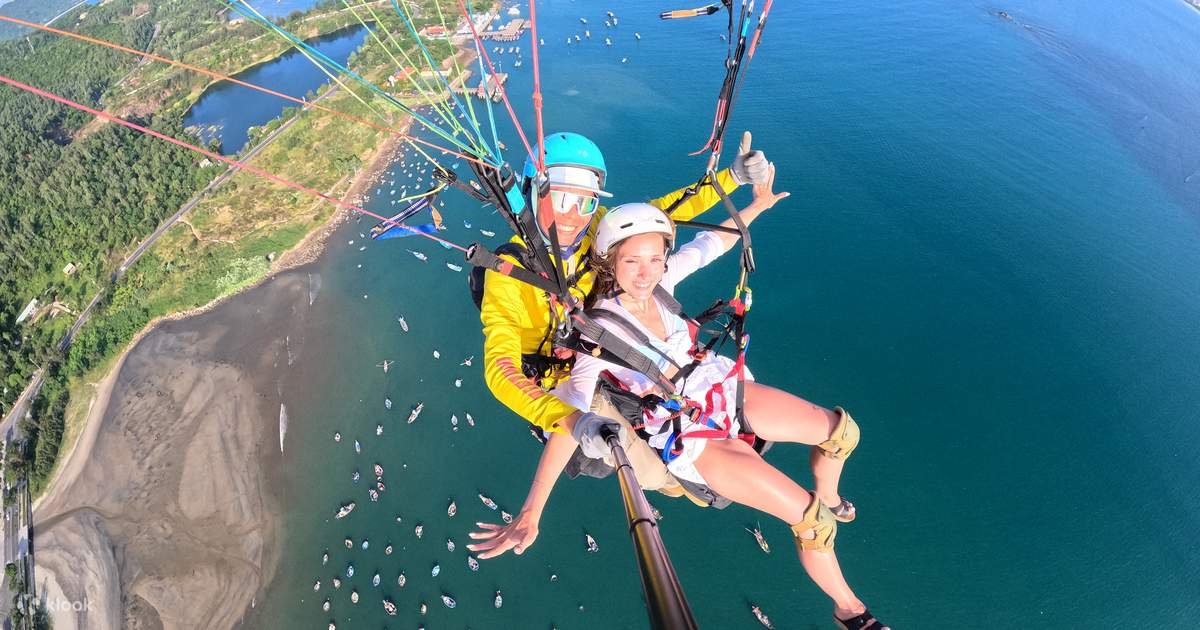

Imagine standing on a grassy ridge, wind tugging gently at your harness, while an experienced pilot straps you in and says, “Ready to fly like a bird?” That’s tandem paragliding—the closest most of us will ever get to true free flight without years of training. I still remember the first time a friend dragged me to a launch site in the Swiss Alps. She was white-knuckled nervous, but thirty minutes later we were soaring over emerald valleys with her laughing through happy tears. If you’ve ever dreamed of floating silently above mountains, lakes, or coastlines, this guide is for you. We’ll cover everything from the basics to booking your flight, so you feel confident, prepared, and excited to take off.
What Is Tandem Paragliding?
Tandem paragliding is simply two people sharing one specially designed paraglider wing. A certified pilot sits behind you in a shared harness system while you ride up front, enjoying the views and the thrill without touching the controls. The wing inflates like a giant ram-air airfoil, using nothing but wind and rising air currents—no engine, no noise, just pure gliding freedom. It’s the ultimate beginner-friendly way to experience paragliding because the pro handles every technical detail while you soak it all in.
How Does Tandem Paragliding Work?
The magic starts on a gentle slope or hill. You and the pilot run forward together for just a few steps—five to fifteen meters at most—until the wing catches the air and lifts you both skyward. Once airborne, the pilot uses brake toggles and weight shifts to steer, climb in thermals, or glide smoothly. You sit comfortably in front, legs dangling, while the world unfolds beneath you in breathtaking 360-degree panoramas. Landing is just as gentle: the pilot flares the wing at the perfect moment and you both touch down on your feet like stepping off a curb.
Is Tandem Paragliding Safe?
Yes—when done with a licensed pilot and reputable operator, tandem paragliding ranks among the safest adventure sports out there. Modern wings are tested to strict international standards, every piece of gear has backups, and pilots log hundreds of hours before they ever carry passengers. Weather is the biggest variable, so pros cancel flights in anything sketchy. I’ve heard stories of pilots turning down paying customers because “the wind just doesn’t feel right,” and that’s exactly why the sport’s accident rate stays so low.
Essential Equipment for Tandem Paragliding
The Wing
Tandem wings are larger and more robust than solo ones, built from ripstop nylon with dozens of cells that inflate into a stable airfoil shape. They’re certified for two-person loads and handle a wider range of conditions.
Harnesses and Helmets
You’ll wear a comfortable seated harness with leg straps and a back protector—often an airbag or foam plate. Both of you get full-face or open-face helmets, and the pilot carries a radio for clear communication.
Reserve Parachute
Every tandem setup includes a certified reserve chute packed and ready. Pilots practice deploying it regularly so it’s second nature if anything ever goes wrong—which is extremely rare.
Who Can Try Tandem Paragliding? Requirements and Eligibility
Most operators welcome passengers from about age 8 or 10 up to 80+, as long as you can run a short distance and follow simple instructions. Typical weight limits run 40–120 kg (88–265 lbs), though some pilots accommodate a bit more with the right wing. No fitness level or experience is required—just an open mind and closed-toe shoes. Kids need parental consent, and many sites happily fly people with disabilities when the pilot is trained for it.
Preparing for Your First Tandem Flight
Dress in layers—base layer, fleece, light windbreaker—because it’s cooler up high. Sturdy running shoes or hiking boots are non-negotiable; flip-flops are a hard no. Skip heavy breakfasts or lunches to avoid any queasiness, and leave loose scarves or hats on the ground. Bring sunglasses and a small camera if allowed (many pilots offer GoPro video packages). The night before, check the weather forecast and get a good night’s sleep—you’ll want all your energy for that first exhilarating run.
What to Expect During Your Tandem Paragliding Experience
The Briefing
Your pilot will walk you through every step on the ground: how to run, when to sit, and what to do if you feel nervous. It takes five minutes and feels reassuring.
Takeoff
A quick jog downhill and suddenly the ground drops away. The first few seconds feel like the biggest roller-coaster drop—then everything goes calm and silent.
In the Air
You’ll glide, maybe circle in a thermal, and the pilot might point out landmarks or even let you hold the brakes for a gentle turn if you want. The views are unreal, and the peace is addictive.
Landing
The pilot lines you up, flares the wing, and you both run a couple of steps to stop. High-fives usually follow.
Different Types of Tandem Flights
Discovery or Introductory Flights
Short 10–15 minute hops perfect for first-timers—gentle and low-commitment.
Thermal Flights
20–40 minutes where the pilot hunts rising warm air so you climb higher and see more terrain.
Scenic or Prestige Flights
Longer rides with extra altitude or acrobatic maneuvers for the brave (think gentle wingovers that feel like a slow dance in the sky).
Sunset or Sunrise Specials
Golden-hour magic when the light turns everything magical and the air is often calmer.
Best Places in the World for Tandem Paragliding
Switzerland’s Interlaken and the Alps offer jaw-dropping glacier views and rock-solid pilot standards. Nepal’s Pokhara gives you the Himalayas as your backyard—Annapurna range towering above Phewa Lake. India’s Bir Billing is the paragliding capital of Asia with long, reliable ridges. Closer to home, Golden, Colorado, or Sun Valley, Idaho, deliver Rocky Mountain drama. Coastal spots like Portugal’s Algarve add ocean cliffs and sea breezes. Pick based on your travel plans—every destination has its own flavor of wow.
How Much Does Tandem Paragliding Cost?
Expect to pay $150–$300 USD for a standard 15–30 minute flight, depending on location and extras. In Europe or the Alps it can hit €200–€250; in Asia you’ll often find deals around $100–$180. Video packages add $30–$80, and transport from your hotel is sometimes included. Book directly with licensed schools for the best rates and safety—cheapest isn’t always smartest here.
Tandem vs Solo Paragliding: A Quick Comparison
| Aspect | Tandem Paragliding | Solo Paragliding |
|---|---|---|
| Experience Needed | None—just show up | Full training course and license required |
| Cost for First Flight | $150–$300 (one-time) | $2,000+ for gear + lessons |
| Control | Pilot handles everything | You’re 100% in charge |
| Duration Flexibility | 10–45 minutes | Can last hours if you’re skilled |
| Risk Level | Very low with pro pilot | Higher until you build hundreds of hours |
| Thrill Factor | Pure passenger joy | Deep personal achievement |
Tandem is the smart gateway; solo is the long-term love affair.
Pros and Cons of Tandem Paragliding
Pros
- Zero learning curve
- Breathtaking views without stress
- Shared experience—bring friends or family
- Surprisingly affordable for the wow factor
- Builds confidence for future adventures
Cons
- Weather can cancel plans last-minute
- Short flight times compared to solo XC flights
- You don’t get to steer (though some pilots let you try)
- Motion sensitivity might affect a few people
The pros win every time for most first-timers.
Tips for an Unforgettable Tandem Paragliding Adventure
Relax your body and breathe deeply—tension makes everything feel bumpier. Talk to your pilot; they love sharing the sky and can point out thermals or wildlife. Keep your eyes open and camera ready, but also put the phone down for a few minutes to just feel it. If you’re nervous, tell the pilot—they’ve heard it all and know exactly how to ease you in. And remember: the best flights happen when you trust the process and let go.
Common Myths About Tandem Paragliding (Debunked)
Myth 1: You’ll get vertigo.
Nope. Once you’re airborne you lose the ground reference that causes dizziness—most people feel surprisingly calm.
Myth 2: It’s like jumping out of a plane.
Not even close. No free-fall, no parachute deployment, just a gentle float.
Myth 3: Only super-fit athletes can do it.
A short run is all you need. I’ve seen grandparents and teenagers nail it with huge smiles.
People Also Ask About Tandem Paragliding
How long does a tandem paragliding flight last?
Usually 10–40 minutes depending on the package and conditions—long enough to feel epic, short enough to leave you wanting more.
Do I need any experience?
Absolutely not. The pilot does all the work; you just enjoy the ride.
What should I wear for tandem paragliding?
Layers, closed-toe shoes, and a light jacket. Sunglasses are a bonus.
Is tandem paragliding scary?
The first 10 seconds can feel intense, but then it turns peaceful and addictive.
Can kids do tandem paragliding?
Yes, many operators welcome children as young as 8–10 with parental consent and proper harnesses.
FAQ
What happens if the weather turns bad?
Reputable operators reschedule or refund—no one flies in unsafe conditions.
How much weight can a tandem paraglider carry?
Most handle up to 120–130 kg passenger weight; check with the school when booking.
Will I get motion sick?
Rare, but if you’re prone to car sickness, take precautions and tell your pilot for smoother flying.
Can I bring my phone or camera?
Usually yes in a secure pocket, but many add professional video so you can just be present.
Is tandem paragliding worth the money?
One hundred percent. For most people it becomes a core memory that sparks bigger adventures.
Tandem paragliding isn’t just another bucket-list item—it’s a doorway to seeing the world from a perspective that changes how you feel about gravity itself. Whether you’re chasing adrenaline, quiet wonder, or a story to tell for decades, the sky is waiting. Book that flight, trust a good pilot, and let the wind do the rest. Your first step off the hill might feel scary for a heartbeat, but the freedom that follows? That’s pure magic. Go make some memories up there—you won’t regret it.