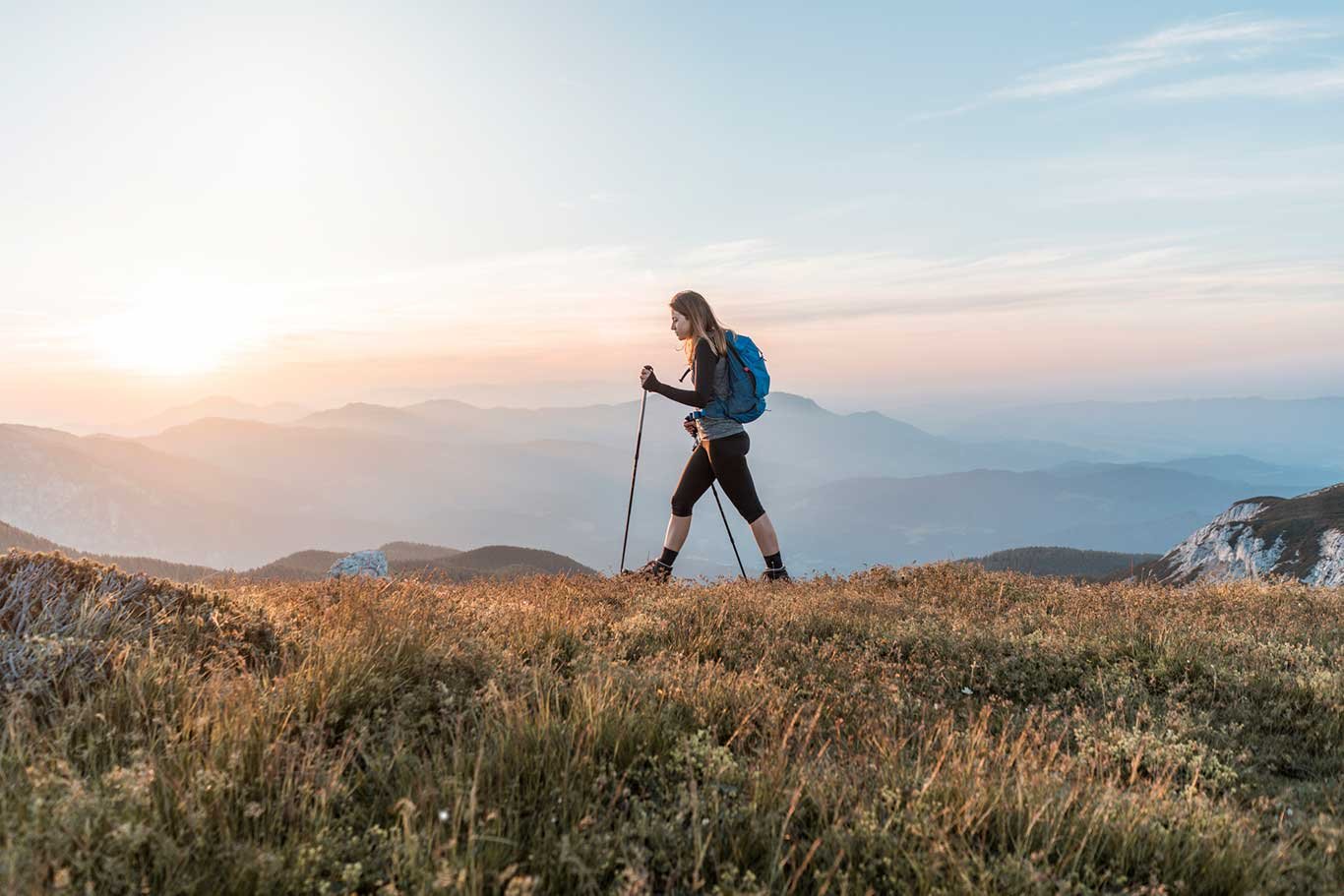

I still remember my first real hike like it was yesterday. It was a steep trail through pine-scented woods, legs burning, sweat dripping, and yet by the time I reached the overlook, something shifted inside me. The stress of deadlines and endless notifications melted away. That moment hooked me, and over the years, hiking has become my go-to reset button—for my body, my mind, and even my relationships. If you’re wondering whether those boots gathering dust in your closet are worth pulling out, the answer is a resounding yes. Hiking delivers benefits that go far beyond a simple workout, backed by science and real-life stories from trail lovers everywhere.
Why Hiking Stands Out as the Ultimate Low-Impact Exercise
Hiking combines the best of cardio, strength training, and nature immersion in one accessible package. Unlike treadmill sessions or gym routines that can feel repetitive, every step on a trail challenges your body in unpredictable ways while feeding your soul with fresh air and views that make the effort worthwhile. It’s free or low-cost, adaptable for beginners and experts alike, and delivers results that stick because it feels more like adventure than exercise.
Physical Benefits of Hiking: Building a Stronger, Healthier Body
Hiking turns your entire body into a well-oiled machine without the joint-pounding of running or heavy lifting. The uneven terrain engages muscles you didn’t know you had, while the steady rhythm strengthens your heart and lungs in ways that translate to everyday life.
Boosting Cardiovascular Health and Lowering Disease Risk
Your heart gets a serious workout as you climb and descend, improving circulation and VO2 max—the measure of how efficiently your body uses oxygen. Studies show regular hikers slash their risk of heart disease, with blood pressure dropping 4-10 points from the activity alone. Non-exercisers face twice the chance of coronary issues, but consistent trail time flips that script.
Strengthening Muscles, Balance, and Bone Density
Every rock, root, and incline forces your core, legs, and stabilizers to work overtime, building functional strength that prevents falls as you age. Weight-bearing steps also boost bone density—women with osteoporosis saw a 6% increase in spinal bone mass after just nine months of regular walks.
Aiding Weight Management and Burning Serious Calories
Hiking torches calories efficiently: expect 300-500 per hour on moderate trails, or up to 550+ with a pack and hills, far more than flat walking. The post-hike metabolism boost can keep burning energy for hours afterward, making sustainable weight loss feel effortless rather than forced.
Enhancing Immune Function and Joint Health
Fresh air and movement reduce inflammation while vitamin D from sunlight supports immunity. For arthritis sufferers, the low-impact nature (three times body weight per step versus eight when running) eases stiffness and pain without sacrificing results.
Mental Health Benefits of Hiking: Nature’s Built-In Therapy
There’s something magical about how trails quiet the mental chatter. Science confirms what hikers have felt for centuries: time in green spaces rewires your brain for calm and clarity.
Reducing Stress and Anxiety Naturally
A 90-minute nature walk slashes activity in the brain region linked to rumination—the endless loop of worries that fuels anxiety. Cortisol levels drop, your parasympathetic system kicks in, and suddenly problems feel more manageable.
Fighting Depression and Lifting Mood
Endorphins flood your system, serotonin sensitivity improves, and exposure to green hues has measurable therapeutic effects. Stanford research found lower depression risk after forest walks compared to urban ones.
Sharpening Focus, Creativity, and Cognitive Function
Uneven paths demand constant navigation and problem-solving, boosting brain-derived neurotrophic factor (BDNF) that grows new neural connections. One study showed a 50% creativity spike after four days immersed in nature.
Improving Sleep Quality Through Outdoor Rhythms
Daylight exposure resets your circadian clock while physical fatigue deepens restorative sleep. Many hikers report falling asleep faster and waking refreshed—no more scrolling-induced insomnia.
Social and Emotional Perks: Hiking Beyond Solo Adventures
Hiking isn’t just about you—it’s a powerful connector. Sharing trails creates bonds that last long after the hike ends.
Building Community and Stronger Relationships
Group hikes foster teamwork, laughter, and vulnerability during tough sections. Friends or family members who struggle to connect indoors often open up on the trail, turning acquaintances into lifelong supporters.
Fostering Mindfulness and Self-Reflection
Without screens or distractions, your mind settles into the present moment. Many describe “trail therapy” moments where big life decisions suddenly become clear amid the rhythm of footsteps.
Environmental and Spiritual Rewards of Hiking
The trails don’t just change you—they remind you of your place in something bigger.
Deepening Your Connection to Nature
Sights, sounds, and scents awaken senses dulled by indoor life. You leave with greater appreciation for ecosystems, often inspiring conservation actions in your daily routine.
Contributing to Conservation Efforts
Hikers who love trails tend to protect them. Many join cleanups or advocacy groups, creating a virtuous cycle where personal health supports planetary health.
Is Hiking Right for Everyone? Pros, Cons, and Smart Comparisons
Hiking shines for most people, but it’s wise to weigh the full picture before diving in.
Pros and Cons of Hiking Versus Gym Workouts
| Aspect | Hiking | Gym Workout |
|---|---|---|
| Cost | Free or low (trails/parks) | Membership fees add up |
| Variety | Endless new trails & views | Repetitive machines/routines |
| Mental Boost | Nature therapy + endorphins | Indoor focus, less sensory |
| Injury Risk | Uneven terrain (if unprepared) | Controlled but repetitive strain |
| Social Element | Group-friendly adventures | Often solitary |
| Calorie Burn | 300-550+/hr (terrain-dependent) | Predictable but lower variety |
Hiking wins for sustainability and joy, while gyms offer weather-proof consistency.
Potential Drawbacks and How to Overcome Them
Blisters, twisted ankles, or weather surprises can happen, but proper boots, poles, and apps like AllTrails minimize risks. Start small, listen to your body, and the rewards far outweigh the occasional sore muscles.
How to Get Started with Hiking for Maximum Benefits
Choose easy local trails first, invest in supportive boots and trekking poles, and use free apps for route planning. Pack water, snacks, and a lightweight rain jacket—your future self will thank you.
People Also Ask: Answering Your Top Questions on Hiking Benefits
What are the main physical benefits of hiking?
Improved heart health, stronger muscles and bones, better balance, weight management, and lower disease risk—all from one enjoyable activity.
Does hiking help with mental health?
Absolutely. It reduces stress, anxiety, and depression symptoms while boosting mood, creativity, and sleep through nature exposure and movement.
How many calories does hiking burn compared to walking?
Roughly double on moderate trails—300-500+ per hour versus 200-300 for flat walking, thanks to inclines and uneven ground.
Is hiking better than the gym for overall fitness?
It often is for functional strength, mental wellness, and sustainability, though combining both gives the best of both worlds.
What gear do beginners need to maximize benefits safely?
Quality hiking boots, moisture-wicking layers, trekking poles, a daypack, and a reliable navigation app—start simple and upgrade as you progress.
FAQ: Your Most Common Hiking Benefits Questions Answered
How often should I hike to see real benefits?
Aim for 2-3 times weekly, starting with 30-60 minutes. Consistency matters more than distance—your body and mind will notice changes within weeks.
Can hiking help if I already have health conditions like diabetes or arthritis?
Yes, with doctor approval. It improves insulin sensitivity, eases joint pain, and supports weight control without high impact.
What if I live in a city—can urban hiking deliver the same perks?
Absolutely. Park trails and greenways provide similar cardiovascular and mental boosts, especially when you focus on mindful steps.
Will hiking alone or with others give different benefits?
Solo builds self-reliance and deep reflection; groups add social connection and motivation. Both deliver powerful results.
How do I stay motivated long-term?
Track progress with a journal, join local hiking groups, or set mini-adventures like sunrise summits. The views never get old.
Hiking isn’t just exercise—it’s a lifestyle upgrade that pays dividends in energy, clarity, and joy. Whether you’re chasing fitness goals, craving peace of mind, or simply wanting more adventure, the trails are waiting. Lace up, step out, and discover what your body and spirit have been missing. Your first summit might just change everything.