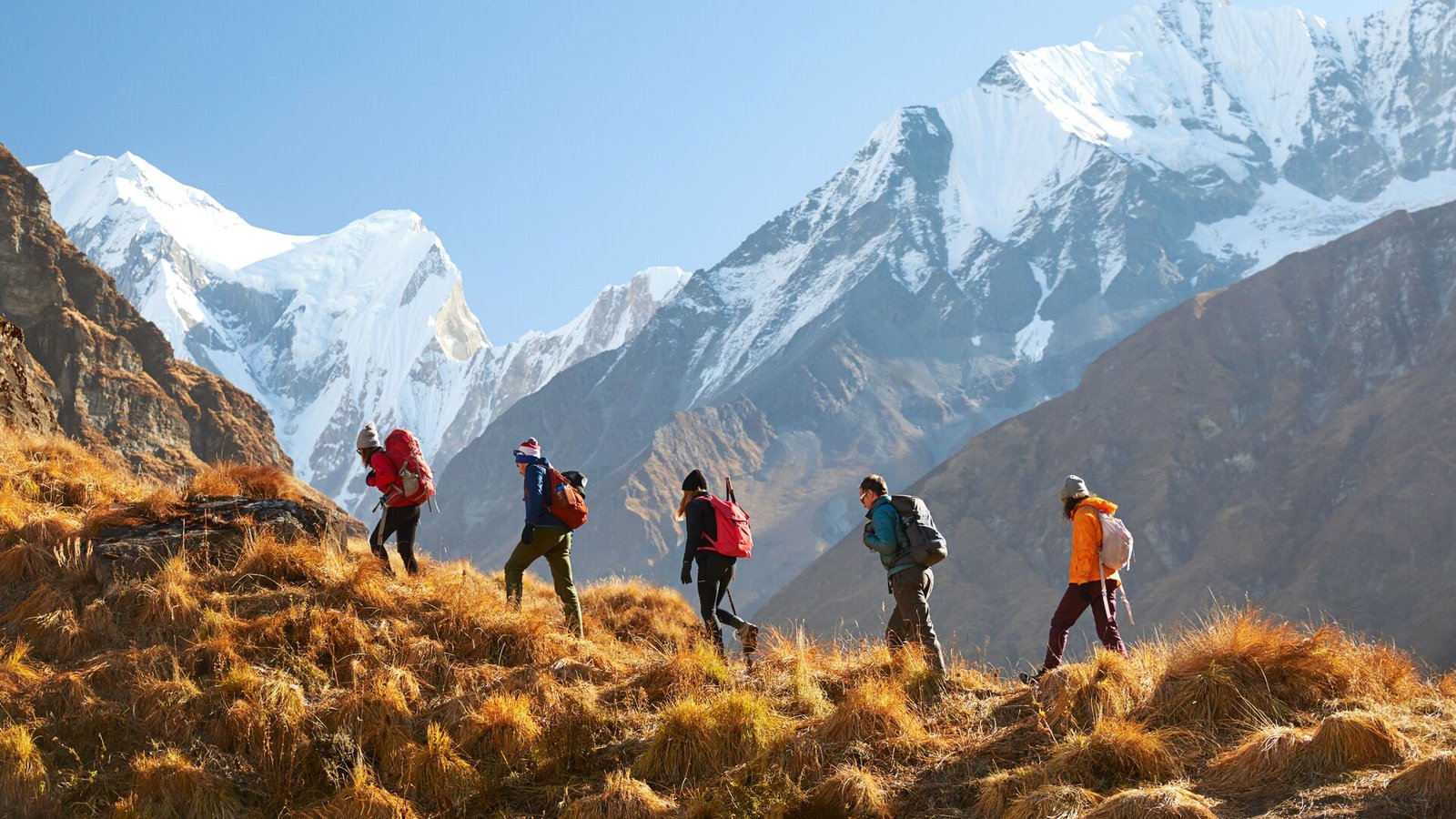

I still remember my very first hike like it was yesterday. It was a crisp fall morning in my local county park, just a two-mile loop that felt like climbing Everest to my out-of-shape self. I showed up in old sneakers and cotton jeans—big mistake—and by the end, I was sweaty, blistered, and hooked. That simple trail opened a door to something bigger: fresh air that clears your head, views that make your heart swell, and a quiet pride in putting one foot in front of the other. If you’re reading this, you’re probably standing at the same trailhead I was, wondering where to even begin. Good news—you don’t need to be an expert or drop a fortune on gear. These nine practical tips, drawn from years of trial, error, and dusty boots, will get you out there safely and happily. Let’s turn that nervous excitement into your first real trail story.
Hiking isn’t about conquering mountains on day one. It’s about showing up, learning as you go, and letting the outdoors do its magic. Whether you’re in a bustling city like Lahore with nearby hills or somewhere with endless national parks, the basics stay the same. This guide covers everything from picking your first trail to packing smart and staying safe. Stick with it, and you’ll wonder why you waited so long.
Why Hiking Is the Perfect Starter Adventure for Anyone
Hiking welcomes everyone—no gym membership or fancy skills required. It builds strength, clears the mind, and connects you to nature in ways scrolling never could. Studies show it lowers stress and boosts mood, but the real win is that first “I did it” feeling.
Start slow, stay curious, and the trails will reward you. Now, let’s dive into the nine tips that changed how I hike forever.
Tip 1: Start Small and Local to Build Real Confidence
Picking a short, nearby trail takes the pressure off and lets you focus on the fun instead of logistics. I once drove two hours for a “beginner” hike that kicked my butt—lesson learned. Local parks or green spaces mean easy access, bathrooms, and quick bailouts if needed. You’ll finish feeling accomplished, not exhausted, and that momentum carries you forward.
Why Distance from Home Matters More Than You Think
Staying close cuts travel fatigue and lets you test your gear and body without big commitments. Plus, familiar spots mean you can return often, noticing seasonal changes that make each hike feel new. No epic views required—those come later.
How to Scout Beginner-Friendly Trails Without Overwhelm
Use free apps like AllTrails to filter for easy, under-three-mile loops with minimal elevation. Read recent reviews for real talk on mud or crowds. Local visitor centers or park rangers often suggest hidden gems too. Start with flat paths and work up—your future self will thank you.
Real Talk: My First Local Loop That Hooked Me
That two-miler near home had wildflowers and a tiny creek. I laughed at my own heavy breathing but finished grinning. It proved hiking doesn’t demand perfection—just presence.
Tip 2: Choose the Right Trail by Matching It to Your Fitness and Mood
Not every trail suits every day. A flat lakeside stroll feels worlds apart from a rocky climb. Match the hike to your current energy, weather, and goals. Overambitious choices lead to frustration—trust me, I’ve turned back early more than once.
Understanding Trail Ratings and What They Really Mean
Easy trails usually mean under 5 miles with gentle slopes. Check elevation gain (under 500 feet is forgiving) and surface type. Apps rate difficulty, but always skim user photos and comments for surprises like roots or stream crossings.
Seasonal Smarts That Keep Hikes Enjoyable
Spring brings wildflowers but mud; summer means bugs and heat. Fall offers crisp air and colors, while winter tests your layers. Factor these in and you’ll avoid nasty surprises.
Comparison: Easy vs. Moderate Trails for Beginners
| Aspect | Easy Trail | Moderate Trail |
|---|---|---|
| Distance | 1-3 miles | 4-6 miles |
| Elevation Gain | Under 300 feet | 500-800 feet |
| Terrain | Paved or smooth dirt | Rocky with some roots |
| Best For | First-timers, families | Building stamina |
| Time Estimate | 1-2 hours | 2-4 hours |
Pick easy until you’re craving more—progress feels fantastic.
Tip 3: Gear Up Wisely Without Emptying Your Wallet
You don’t need top-of-the-line everything to start. I hiked my first year in budget finds and hand-me-downs. Focus on comfort and function over brands. A good pair of shoes and layers make all the difference; the rest can wait.
Footwear That Prevents Blisters and Regret
Sturdy sneakers or trail runners work for most beginner paths—break them in with short walks first. Save stiff boots for rougher terrain later. Wool or synthetic socks wick moisture and fight blisters better than cotton.
Clothing Choices That Handle Changing Conditions
Moisture-wicking shirts and quick-dry pants beat cotton every time. I once sweated through a tee and froze on the way down—never again. Pack a light jacket even if the forecast looks perfect.
Backpack and Day-Hike Essentials on a Budget
A 15-20 liter daypack holds water, snacks, and layers. No need for fancy; check thrift stores or entry-level options from REI or Decathlon. Test the fit before you hit the trail.
Tip 4: Master Layering and Weather Prep Like a Seasoned Hiker
Weather shifts fast on trails. Layering keeps you comfortable without overheating or shivering. I check forecasts obsessively now, and it saves every hike. A little prep turns potential misery into pure enjoyment.
The Layering System That Actually Works
Base layer wicks sweat, mid-layer insulates, outer shell blocks wind and rain. Adjust as you go—peel off when climbing, add when resting. Light and packable is key.
Why Point Forecasts Beat General Apps
Use tools like NOAA for specific trailhead predictions. Mountain weather differs from town by miles. One surprise shower taught me to always carry a lightweight rain jacket.
Light Humor from My Soggy Mistake
Forgot the jacket once. Ended up using my pack as an umbrella—hilarious in hindsight, but soggy in the moment. Don’t be me.
Tip 5: Pack the 10 Essentials Every Single Time
This list from the American Hiking Society has saved me more than once. It’s not overkill—it’s smart insurance. Tailor it lightly for day hikes but never skip the basics.
The Complete 10 Essentials Breakdown
- Navigation: Map, compass, or phone app with offline maps
- Sun protection: Sunscreen, hat, sunglasses
- Insulation: Extra layers for cold snaps
- Illumination: Headlamp with extra batteries
- First-aid supplies: Basic kit with bandages and meds
- Fire: Matches or lighter in waterproof case
- Repair kit: Duct tape, knife or multi-tool
- Nutrition: Extra snacks beyond what you plan to eat
- Hydration: Water and treatment method
- Emergency shelter: Space blanket or bivy
Carry them in a small pouch—easy and lightweight.
Why Extras Like a Whistle and Phone Battery Matter
A whistle signals for help better than yelling. Keep your phone charged and in airplane mode to save juice. These small items bring big peace of mind.
Quick Packing Checklist You Can Copy
Print this or save it: water (at least 1 liter per 2 hours), snacks, map, layers, first aid, sunscreen, headlamp, multi-tool, emergency blanket, whistle.
Tip 6: Get Your Body Trail-Ready Before You Go
You don’t need to be an athlete, but some prep prevents soreness and injury. I started with neighborhood walks and stair climbs—simple stuff that made hikes feel doable. Listen to your body from day one.
Simple Pre-Hike Training Anyone Can Do
Add 20-30 minute walks a few times a week. Include hills or stairs to build leg strength and lungs. Stretch afterward to stay flexible.
Fueling Right So You Don’t Bonk
Eat a balanced meal two hours before. Pack carbs like bananas or trail mix for steady energy. Hydrate the day before—not just on the trail.
Pros and Cons of Solo Training vs. Group Prep
Pros of solo: Flexible schedule, builds personal confidence.
Cons of solo: Less motivation on tough days.
Pros of group: Accountability and fun.
Cons of group: Scheduling hassles.
Mix both for best results.
Tip 7: Learn Basic Navigation and Safety Habits
Getting lost kills the vibe. Basic skills keep you on track and calm. I rely on apps but always carry a paper map as backup—technology fails.
Apps and Tools That Make Navigation Easy
AllTrails or Gaia GPS for offline maps and GPX files. Download routes ahead. Practice reading them at home first.
The Golden Rule of Telling Someone Your Plans
Text a friend your trail, start time, and expected return. Add a note in your car if parking at a trailhead. It takes 30 seconds and could save your life.
What to Do If Things Go Sideways
Stop, stay calm, and backtrack if unsure. Use your whistle in threes for distress. Modern phones have emergency SOS—know how yours works.
Tip 8: Embrace Leave No Trace and Trail Etiquette
Respecting the trail keeps it beautiful for everyone. I once saw trash ruin a perfect viewpoint—don’t be that person. These principles are simple but powerful.
The Seven Leave No Trace Principles Summarized
Plan ahead, travel on durable surfaces, dispose of waste properly, leave what you find, minimize campfire impact, respect wildlife, and be considerate of others.
Etiquette That Makes You a Welcome Hiker
Yield to uphill traffic. Keep noise low—no speakers. Step aside for faster folks. Pack out everything, including peels and wrappers.
Why It Feels Good to Hike Responsibly
Knowing you left zero trace adds to the satisfaction. Wildlife stays wild, and trails stay open. It’s a small act with big impact.
Tip 9: Listen to Your Body and Celebrate Every Step
Hiking is about enjoyment, not miles logged. Turn around if something feels off—pride isn’t worth injury. I now end hikes with a quiet thank-you moment, even on easy days.
Signs It’s Time to Slow Down or Stop
Persistent pain, dizziness, or extreme fatigue mean rest or retreat. Hydrate, snack, and reassess. No shame in a shorter hike.
Building the Mental Side of the Sport
Notice the birdsong, the way light filters through trees. Gratitude turns a good hike into a memorable one. Journal a quick note afterward—it sticks.
How to Level Up After Your First Few Outings
Review what worked. Add distance gradually. Join a local hiking group for camaraderie and tips. The journey compounds beautifully.
People Also Ask About Hiking for Beginners
These questions pop up constantly in searches—here are straight answers based on real beginner experiences.
What should beginners wear hiking?
Moisture-wicking layers, comfortable shoes or trail runners, and socks that prevent blisters. Avoid cotton—it holds sweat and chills you. A hat and light rain jacket cover most surprises.
How far can a beginner hike in a day?
Start with 2-4 miles on easy terrain. Pace yourself at about 2 miles per hour. Build up as fitness improves—rushing leads to sore muscles and lost joy.
Do I need special gear to start hiking?
No. Sneakers, a daypack, water, and snacks get you going. Add the 10 essentials as you progress. Focus on fit and comfort over cost.
Is hiking safe for beginners alone?
Yes, on popular, well-marked trails during daylight. Always share plans, carry a charged phone, and start small. Group hikes build confidence faster at first.
What are the easiest hiking trails for beginners?
Look for flat, short loops in local parks or national park easy-rated paths like Lower Yosemite Falls or Jordan Pond Path. Apps make finding them effortless.
FAQ: Your Most Common Hiking Beginner Questions Answered
How do I find hiking trails near me?
Download AllTrails or visit park websites. Search by “easy” and distance. Local Facebook groups or REI stores often share hidden spots too.
What snacks work best on the trail?
Trail mix, energy bars, fruit, and jerky. Aim for 200-300 calories per hour. Salty and sweet combos keep energy steady.
How do I avoid blisters on my first hikes?
Break in shoes gradually. Wear moisture-wicking socks. Stop at the first hot spot and apply moleskin or tape.
Can kids or older adults start hiking?
Absolutely. Choose very short, flat trails and go at their pace. Everyone benefits from the fresh air and movement.
What if I get scared of wildlife?
Make noise, keep distance, and research local animals ahead. Most encounters end peacefully when you respect their space.
Hiking has a way of sneaking into your soul. One easy trail leads to another, and before long you’re planning bigger adventures with stories to tell. You already have everything it takes—just lace up and step outside. Your first trail is waiting, and it might just change how you see the world. Go find it. What are you waiting for?