
White Water Rafting in Scotland: The Ultimate Guide to Thrilling River Adventures
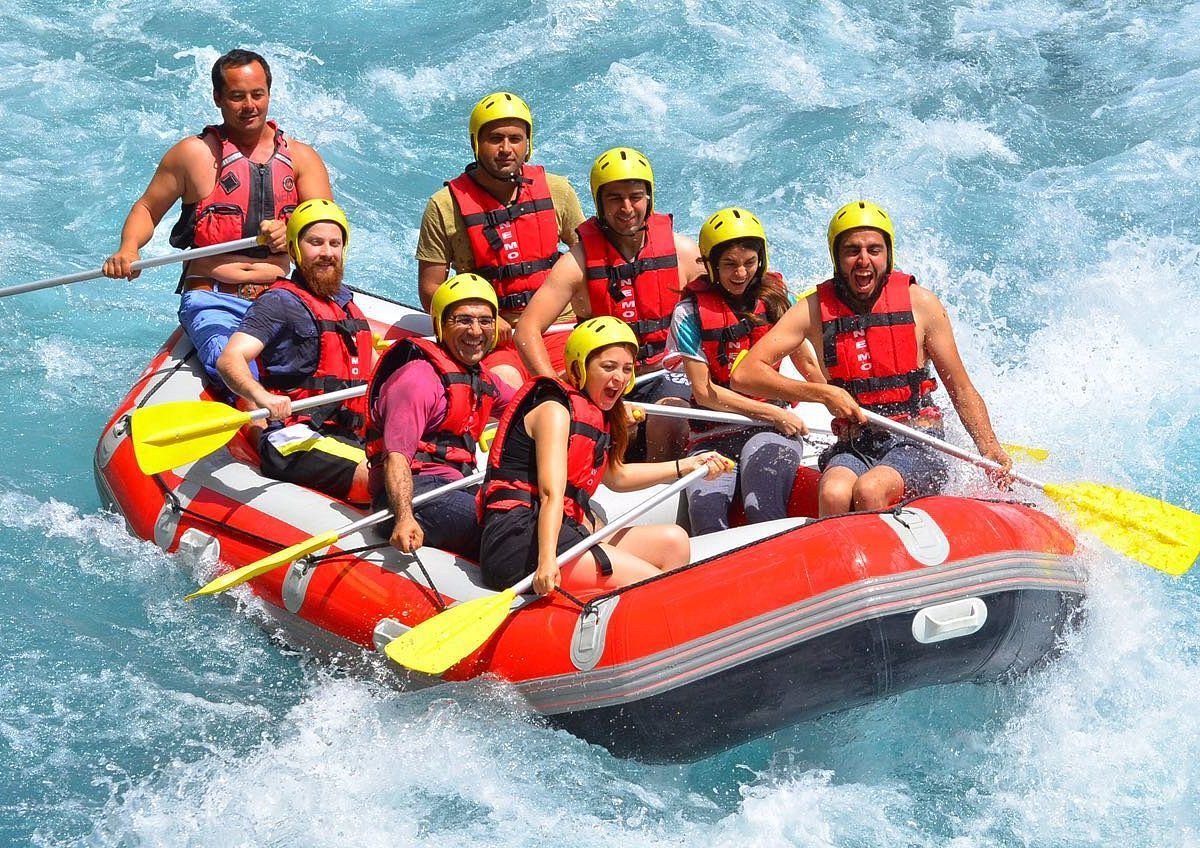
Picture this: you’re squeezed into a bright red raft with five strangers who quickly become lifelong mates, paddle gripped tight, icy Scottish water spraying your face as the guide yells “forward!” over the roar. One second you’re gliding past ancient pines, the next you’re bouncing through a churning rapid that leaves everyone laughing and soaked. That’s white water rafting in Scotland – raw, accessible, and unforgettable. Whether you’re a total beginner chasing your first adrenaline hit or a seasoned thrill-seeker hunting grade 4 drops, Scotland’s rivers deliver the perfect mix of wild beauty and heart-pounding action. And the best part? You don’t need prior experience or a passport to the Alps. It’s all right here in the UK.
Scotland stands out because its rivers flow through some of the most dramatic landscapes on the planet. Snowmelt from the Highlands, dam releases, and reliable rainfall create year-round opportunities that many other UK spots can’t match. Operators here have decades of experience, top-notch safety standards, and a genuine passion for sharing the sport. I’ve chatted with guides who’ve been on these rivers for 25 years, and every single one says the same thing: once you raft Scotland, ordinary rivers feel tame.
Why Scotland Delivers the Best White Water Rafting Experience in the UK
Scotland’s rivers carve through ancient glens, past heather-covered hills, and into deep gorges that feel worlds away from everyday life. The combination of natural flow, dam-controlled surges, and epic scenery makes every trip feel like an adventure movie. Plus, the water stays cold enough to keep things exciting without freezing you solid in a good wetsuit. Families, corporate groups, stag parties, and solo travellers all find their perfect fit here.
The sport itself is simple yet addictive. You paddle together, follow your guide’s commands, and work as a team to navigate the river’s power. No two runs are ever identical because the water level changes daily. That unpredictability is exactly what keeps people coming back.
The Top Rivers for White Water Rafting in Scotland
Scotland offers a handful of standout rivers that cater to every skill level and group type. Each one has its own personality, from gentle family floats to full-on white-knuckle rides. Picking the right river is the secret to an epic day.
River Tay: Scotland’s Most Popular Family-Friendly Run
The River Tay near Aberfeldy and Grandtully is where most first-timers start, and for good reason. This scenic 6-mile stretch features gentle grade 2-3 rapids, natural slides, and small waterfalls that feel playful rather than terrifying. The river is Scotland’s longest by volume, so it flows reliably most of the year.
Operators launch from Aberfeldy, and the whole trip takes about three hours on the water. It’s perfect for kids as young as six, youth groups, or anyone who wants thrills without the extreme factor. The surrounding Perthshire countryside rolls by like a postcard while you laugh and splash.
River Tummel: Guaranteed Adrenaline with Dam Releases
When you crave bigger drops and heart-pounding action, the River Tummel steps up. Scottish Hydro controls releases from Clunie Dam on weekends from June to September, creating consistent grade 4 rapids and an unforgettable two-tier 18-foot waterfall plunge into Loch Faskally. The four-mile course is short but intense.
This one is strictly for ages 16 and up. Guides love it because the power is predictable yet wild. Expect to get properly soaked and come off the river buzzing with stories about “that massive drop at the end.”
River Findhorn: The Scenic Wild River Favourite
Many seasoned rafters call the River Findhorn the best in Scotland, and after hearing their stories I get why. It drops 500 feet over 18 miles through stunning gorges and ancient woodland in the Moray area near Aviemore and Inverness. Natural flow means it runs year-round when conditions allow, hitting up to grade 5 in high water.
ACE Adventures runs full-day trips here that often include cliff jumping as a bonus. The scenery is so spectacular you sometimes forget to paddle. Families can opt for gentler grade 3 sections, while thrill-seekers chase the big stuff.
River Garry: Grade 3-4 Thrills Near Fort William
Out in the Outdoor Capital of the UK, the River Garry delivers reliable grade 3-4 white water thanks to scheduled dam releases from April to October. The 2.5-hour trip starts near Fort Augustus and packs in exciting rapids without being overly technical. Minimum age is usually eight, making it a solid middle-ground option.
Fort William’s location means you can easily combine rafting with Ben Nevis hikes or Loch Ness visits the same weekend.
Pinkston Watersports: Artificial White Water in Glasgow
Not every adventure needs to be hours from the nearest city. Pinkston in Glasgow offers Scotland’s only artificial white water course – a controlled grade 2-3 setup perfect for tubing, beginner rafting practice, or simply trying the sport without travelling north. It’s a brilliant backup plan when rivers are too low or for urban dwellers.
River Comparison Table
| River | Grade | Best For | Season Highlights | Min Age | Approx. Duration | Typical Price |
|---|---|---|---|---|---|---|
| Tay | 2-3 | Families, beginners | Year-round | 6+ | 3 hours | £55-£82 |
| Tummel | 4 | Adrenaline seekers | June-Sept weekends | 16+ | 2.5 hours | £70-£85 |
| Findhorn | 3-5 | Scenery & thrills | Year-round (weather) | 5-8+ | Full day | £100-£130 |
| Garry | 3-4 | Balanced adventure | April-Oct dam releases | 8+ | 2.5 hours | £70 |
| Pinkston | Artificial 2-3 | City convenience | All year | Varies | 1-2 hours | Varies |
Prices are approximate adult rates for 2025/2026 and fluctuate with group size and add-ons. Always check current operator websites.
What to Expect on Your First White Water Rafting Trip in Scotland
Your day starts with a warm welcome at base camp, usually a cosy centre with changing rooms and a cafe. Guides spend 20 minutes on safety briefings, teaching paddle commands like “forward,” “back,” and the all-important “hold on!” You’ll kit up in a thick wetsuit, buoyancy aid, helmet, and old trainers. Then it’s a short drive to the put-in point and you’re off.
The first few minutes feel surreal – cold water shocking your system, laughter echoing off the banks. Rapids come in waves: splashy fun sections followed by concentrated bursts of action. Expect to get drenched, possibly flip the raft (it’s part of the fun), and high-five your crew at the end. Most trips finish with hot drinks back at base while you relive every rapid.
Safety Standards That Scottish Operators Take Seriously
Every reputable operator in Scotland follows strict guidelines from the Adventure Activities Licensing Service and their own rigorous training. Guides are full-time professionals with hundreds of river days under their belts. They carry rescue equipment, first-aid kits, and radios, and they brief you on exactly what to do if you fall out.
Non-swimmers are welcome because buoyancy aids keep you floating face-up. The water might be cold, but modern wetsuits handle it brilliantly. Still, listen closely during the safety talk – it’s short, practical, and could save the day. I’ve never heard of a serious incident on a guided commercial trip here, and that track record speaks volumes.
Best Time of Year for White Water Rafting in Scotland
Summer brings warmer air and lower water levels for gentler family trips on the Tay. Spring snowmelt and autumn rains crank up the volume for bigger thrills on natural rivers like the Findhorn. Winter rafting is possible but colder – some operators run it for hardy groups. Dam-release rivers like Tummel and Garry give you guaranteed action on specific weekends.
Check river levels online or with your chosen operator the week before. Flexible dates are your friend.
What to Wear and Bring for a Comfortable Day on the River
Layer smart: swimsuit or quick-dry base layer underneath the wetsuit. Old trainers that can get wet (no flip-flops). Bring a towel, change of warm clothes, and a waterproof bag for your phone and valuables. Most centres have lockers. A big smile and sense of adventure are non-negotiable.
Pros and Cons of Different Rafting Styles in Scotland
Family-Friendly Trips (Tay style)
Pros: Suitable for kids, beautiful scenery, lower cost, great for groups.
Cons: Less intense for extreme seekers.
Extreme Rapids (Tummel/Findhorn high water)
Pros: Massive adrenaline, unforgettable drops, year-round options.
Cons: Higher age limits, more physically demanding, weather dependent.
Artificial Course (Pinkston)
Pros: Convenient location, controlled conditions, repeatable fun.
Cons: Lacks wild river scenery and natural flow.
Top Rafting Operators You Can Trust
Nae Limits in Perthshire has 25 years’ experience and stellar reviews for both Tay and Tummel trips. Splash Rafting in Aberfeldy focuses purely on the Tay and surrounding activities. ACE Adventures near Forres owns the Findhorn stretch and offers full-day packages with extras like cliff jumping. Active Highs handles the Garry near Fort William. All are licensed, insured, and highly rated on Tripadvisor and GetYourGuide.
People Also Ask About White Water Rafting in Scotland
Is white water rafting in Scotland suitable for beginners?
Absolutely. The River Tay was designed for first-timers with gentle rapids and patient guides who teach you everything. Most people leave their first trip grinning and already planning the next one.
How much does white water rafting cost in Scotland?
Expect £50-£90 for a standard half-day adult trip, with children often cheaper. Full-day Findhorn experiences run higher at £100-£130. Group discounts and packages with canyoning or tubing bring the price down.
What age do you need to be for rafting in Scotland?
It varies by river: six and up on the Tay, eight on the Garry, and 16 for the Tummel’s big stuff. Always confirm with the operator because seasonal rules apply.
What should I wear for white water rafting in Scotland?
Swimsuit, old trainers, and a change of clothes. Everything else – wetsuit, helmet, buoyancy aid – is supplied. Dress for getting completely soaked and then warming up quickly afterwards.
Is white water rafting safe?
Yes, when done with licensed operators. Professional guides, modern equipment, and clear safety briefings keep risk low. Millions of people raft these rivers every year without incident.
How to Book Your White Water Rafting Adventure in Scotland
Check operator websites or platforms like Viator and GetYourGuide for real-time availability. Book at least two weeks ahead in peak summer. Many centres offer flexible rescheduling for weather. If you’re combining with other activities, ask about multi-adventure packages – they often save money and create an unforgettable weekend.
Combining Rafting with Other Scottish Adventures
Perthshire makes the perfect base: raft the Tay in the morning, then hike to the Hermitage or visit a whisky distillery. In the Highlands, pair Findhorn rafting with a Cairngorms bike ride or Loch Ness cruise. Fort William lets you raft the Garry and climb Ben Nevis the next day. The possibilities turn one activity into a full Scottish adventure holiday.
Common Myths About Rafting in Scotland – Busted
You don’t need to be super fit or a strong swimmer. The raft does most of the work. It’s not freezing cold once you’re moving. And no, you won’t spend the whole day terrified – the laughs outnumber the screams ten to one.
Why White Water Rafting in Scotland Creates Lifelong Memories
There’s something magical about sharing a raft with people you’ve just met and emerging hours later as a bonded crew. The scenery, the teamwork, the shared adrenaline – it all adds up to stories you’ll tell for years. Whether you’re 8 or 80, Scotland’s rivers have a way of making everyone feel alive.
FAQ: Your White Water Rafting Questions Answered
1. Can non-swimmers go white water rafting in Scotland?
Yes. Buoyancy aids and guides keep everyone safe. Just follow instructions and you’ll be fine.
2. How long does a typical rafting trip last?
Most river runs are 2.5 to 3 hours on the water, with total time including briefing and transport around 4-5 hours.
3. Do I need previous experience?
No. Guides teach everything you need to know on the day.
4. What happens if the weather is bad?
Trips usually run in light rain – it adds to the fun. Extreme conditions may lead to rescheduling, but operators are flexible.
5. Are there toilet facilities at the river?
Base camps have proper facilities. Rivers themselves are wild, so use the loo before you launch.
Scotland’s white water rafting scene is thriving for good reason. The rivers are powerful yet welcoming, the guides are legends, and the memories last forever. Book that trip. Paddle hard. Get soaked. And come back with stories that start with “You won’t believe what happened on the Tay…”
Your raft is waiting. Scotland’s rivers are calling.
